


Share This Article
The report provides a roadmap for how the Mamdani administration plans to strengthen enforcement, improve housing quality and make the market fairer, particularly for renters, officials said.
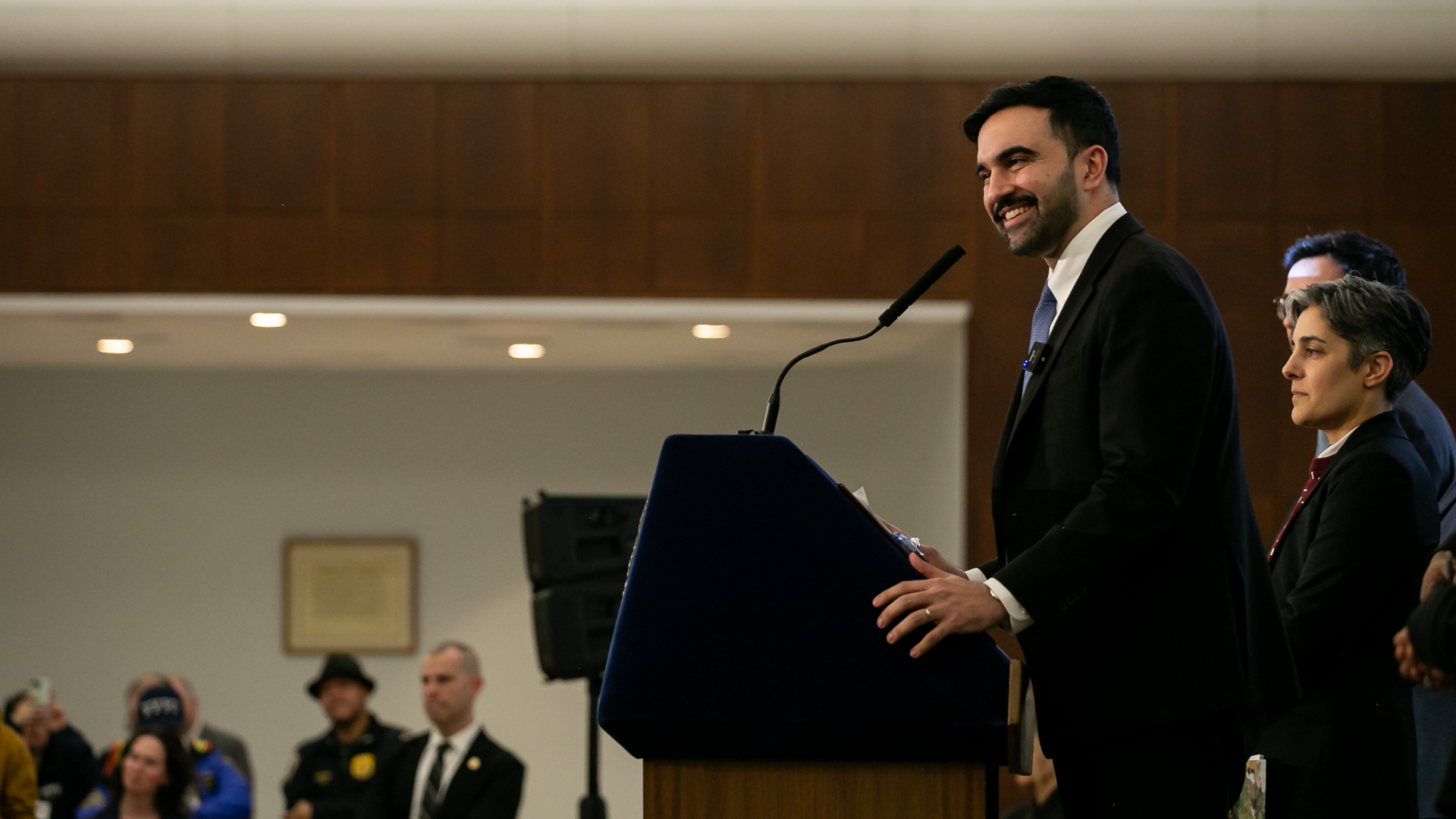
Following a series of public hearings and digital testimony gathered between February and April, the Mamdani administration released its “Rental Ripoff” report on Thursday, summarizing the most common issues that tenants face and outlining future policy interventions to improve living conditions for renters.
Around 2,400 tenants across the five boroughs shared their frustrations and concerns at the Rental Ripoff hearings, organized by the Mayor’s Office to Protect Tenants earlier this year.
While the most frequent complaints reported to 311 over the last three years have been related to heat and hot water, tenants at the hearings discussed pests more than any other issue, City Hall said.
Read on to learn about some of the most significant takeaways from the 67-page report:
- Planned reforms to schedule inspections
The report proposes changes to a common complaint lodged by tenants: when they contact the city about a problem in their apartment or building that requires an inspection, there’s often no way to know when the Department of Housing Preservation (HPD) inspector will show up.
Under the current system, a tenant who calls 311 about a problem might miss an inspection for a variety of reasons. If an inspector shows up while the tenant is at work, for example, they might close a complaint for lack of access.
The report proposes two phases of reforms to the system. First, starting in fall 2026, customers will receive a text from 311 if an inspector fails to gain access for an inspection, rather than a physical note on the door, allowing them to reschedule. Over the next few years, HPD will introduce an online system for tenants to schedule the inspections themselves.
Cea Weaver, director of the Mayor’s Office to Protect Tenants, said in a virtual briefing that HPD has increased staffing levels in its adopted budget, increasing the agency’s capacity to undertake legal action to assess civil penalties against landlords for housing code violations. Weaver also said that this increased staffing will allow the agency to facilitate more inspections.
“We’re expanding headcount to be able to do more housing code inspections and more targeted enforcement,” said Weaver.
- Tenant empowerment through legal recognition of tenant unions
According to the report, lack of legal recognition for tenant groups creates confusion around who can communicate with owners on behalf of tenants. Tenants may also fear retaliation for organizing and voicing their concerns, officials said.
“The best protected tenant is an organized tenant. That is why we will legally recognize tenant unions protecting New Yorkers from harassment or threat of eviction for seeking solidarity with their neighbors,” Mayor Zohran Mamdani said at a press conference Thursday.
The administration aims to clearly define a tenants’ organization and its role and responsibilities through city agency rulemaking, which officials say will help address the power imbalance between tenants and landlords. Similar rules exist at the federal level for public housing tenants, officials noted.
“One thing that we have observed again and again is that when tenants and owners negotiate over issues of mutual concern, we see better results,” said Weaver.
Weaver highlighted the recent negotiation between the Union of Pinnacle Tenants and Summit Properties, the owner that took over a massive portfolio of distressed buildings following bankruptcy proceedings, as being “productive in terms of both clearing violations and addressing affordability.”
Some landlords groups have been critical of recent city efforts to bolster tenant organizing, saying the administration is picking sides and casting building owners as villains. They’ve also vehemently opposed the mayor’s rent freeze for rent stabilized tenants, which they say makes it harder for them to afford to maintain those properties.
“The Rental Ripoff Hearings was a rigged political show designed to attack small owners while ignoring the damage being done to rent-stabilized buildings,” Ann Korchak, board president of Small Property Owners of New York, said in a statement Thursday. “The message is clear: the administration does not see small owners as partners.’
- ‘Fix the City’—strengthening tactics to go after negligent landlords
The report is structured in terms of four strategies for the Mamdani administration, one of which is expanding holistic enforcement actions to improve housing quality.
This approach would target buildings that often cycle in and out of programs such as HPD’s Alternative Enforcement Program—which tries to compel owners to make repairs at properties in severe distress, and if they fail to, forces landlords to pay for fixes made by the city directly.
Many problem buildings have subjected tenants to unsafe conditions for years, officials say.
The aim, according to the report, is to “root out a business practice that relies on patchwork repairs and excessive debt to succeed.”
To that end, the Mamdani administration’s Fix the City initiative, to launch by the end of this year, will assess large housing portfolios with the most egregious and long-standing violations.
In certain cases, the mayor said, the city will seek to transfer ownership of these properties to what the report calls “High-Road” landlords. These are owners focused on preservation and improving tenant outcomes, as opposed to “Low-Road” landlords that harass their tenants and are driven by profits, the administration said.
Fix the City will include an interagency Enforcement Days initiative that would carry out proactive roof-to-cellar inspections in targeted buildings, coordinating with tenants’ organizations to identify adverse conditions to which owners have failed to respond.
According to HPD Commissioner Dina Levy, this initiative will “address systemic noncompliance more quickly and more aggressively.”
HPD’s anti-harassment unit, which Weaver said increased its budget to heighten capacity, could also conduct emergency repairs for which the building owners would foot the bill.
The full Rental Ripoff report can be found here.
To reach the reporter behind this story, contact [email protected]. To reach the editor, contact [email protected]
Want to republish this story? Find City Limits’ reprint policy here.
1 Comment