


Share This Article
“This will likely be a prolonged event, and we might see even worse air quality tomorrow,” State Department of Environmental Conservation Commissioner Amanda Lefton told reporters Wednesday.
Smoke drifting south from Canadian wildfires is causing unhealthy air quality in New York this week and could worsen in the coming days, according to officials, who urged residents to take precautions to protect themselves.
New York City’s Air Quality Index was updated Wednesday afternoon from “unhealthy for sensitive groups” to “unhealthy for everyone,” according to the city’s emergency alert system.
That means everyone should try to limit “strenuous outdoor activity” and take extra breaks if they’re outside, the city said. New Yorkers who are more vulnerable to the effects of pollution—including seniors, children, and those with heart disease, asthma or other lung conditions—should avoid doing “strenuous outdoor activity” altogether.
“This will likely be a prolonged event, and we might see even worse air quality tomorrow. So please take precautions,” State Department of Environmental Conservation Commissioner Amanda Lefton told reporters Wednesday.
The best way to do that, she said, is for people to look up conditions near them by entering their address or zip code online at airnow.gov, and to keep checking regularly.
“We’re going to see the smoke coming in in waves. At some parts of the day, it might be worse than other parts of the day,” Lefton said. “So, in addition to checking in the morning, check throughout the day, especially before you go outside, before you do any strenuous activity.”
The deteriorating air comes as the city is already struggling amid a heat wave (find a list of air-conditioned public cooling centers, and their operating hours, here).
In addition to staying indoors, officials said residents can help minimize their exposure by keeping their doors and windows closed and avoiding activities that cause even more indoor pollution, like smoking, vaping or burning candles.
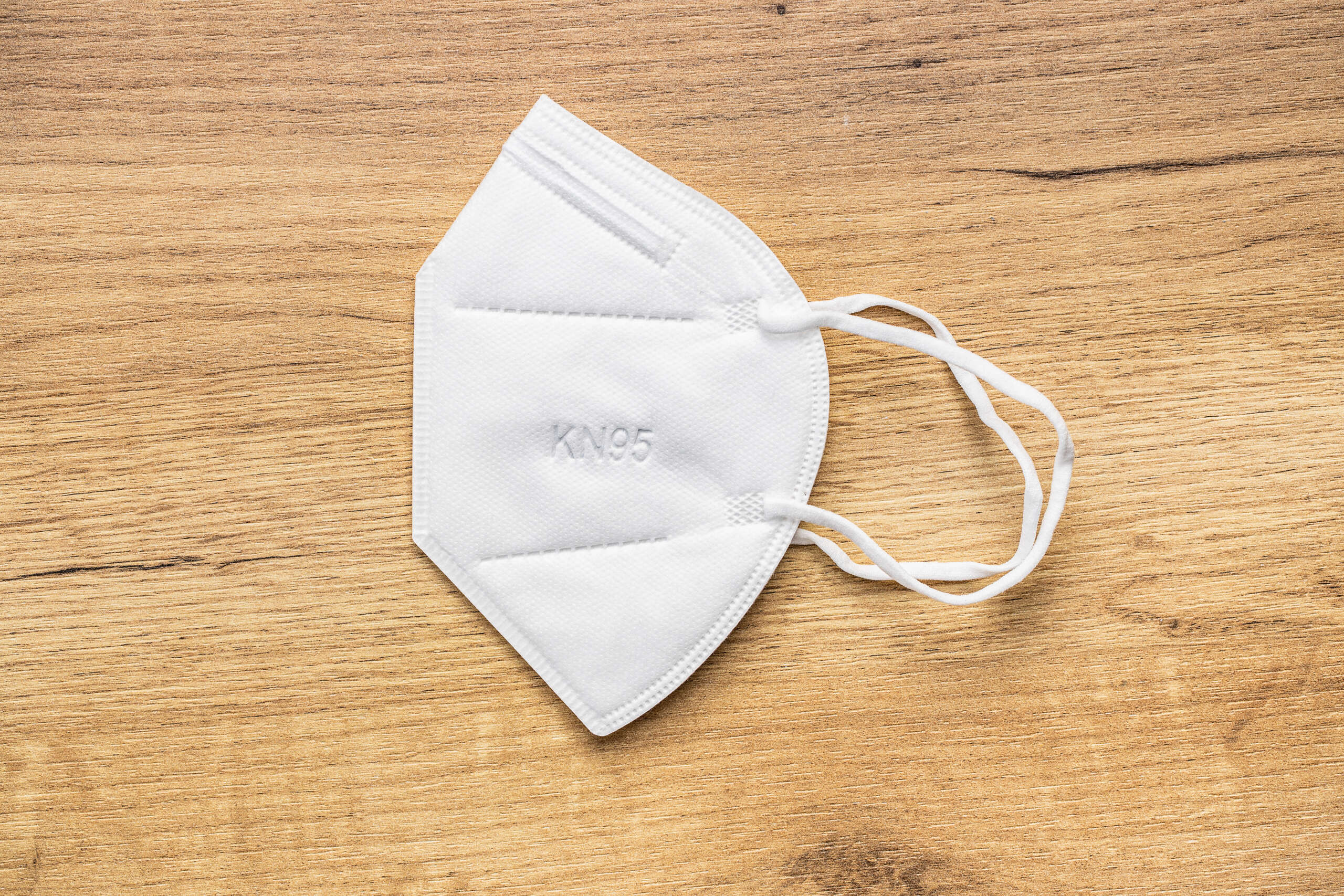
When heading outside, people can wear KN95 or N95 masks, which the city is giving out at public libraries, firehouses and police precincts (find a map of locations here). The MTA also has workers handing masks out to commuters passing through Grand Central and Penn Station.
“These are effective at really eliminating your exposure to” particulate matter, one of the hazardous pollutants present in the smoke, said Jim McDonald, the state’s acting health commissioner. Masks, however, don’t block toxic gas like ozone.
“But it’s another tool you have in your toolbox,” he added, saying residents should be on the lookout for symptoms like congestion, cough or watery eyes.
Mayor Zohran Mamdani said the city’s Department of Social Services is expected to issue a “Code Grey” Thursday, which activates when air quality deteriorates past a certain threshold. That means homeless outreach teams will canvass city streets to hand out masks and connect homeless New Yorkers with places to come indoors.
Officials said they’ll be monitoring whether the poor air this week correlates with an uptick in asthma-related emergency room visits, as was the case during an earlier air quality crisis in June of 2023, when wildfire smoke—also from Canada—turned the city’s sky orange.
“We don’t think the adverse air quality is going to be as bad as June of 2023, but we have to wait. It’s a dynamic situation here,” McDonald said.
Hotter and drier weather linked to climate change is fueling “longer fire seasons,” Lefton said, “something that we need to be very careful and mindful of in the future.”
“We’re seeing drier conditions across the country and in North America generally, and that can mean that we’re seeing increased wildfire smoke,” she said.
This story was updated Thursday morning to include additional information from the city on its homeless outreach efforts. To reach the editor, contact [email protected]
Want to republish this story? Find City Limits’ reprint policy here.