


Share This Article
“The city has not built enough of the housing that ends homelessness, especially supportive housing that combines permanent, affordable apartments with on-site services. Until that changes, more people will enter shelter than leave it.”
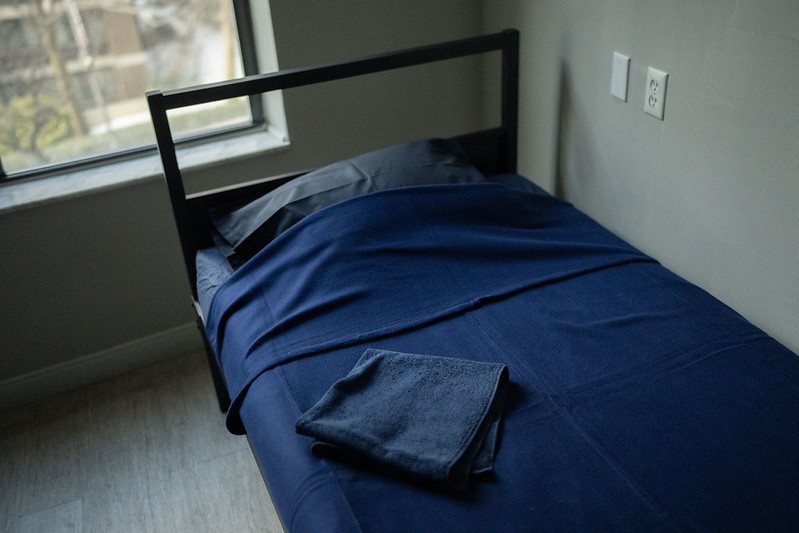

I have spent much of my career running homeless shelters. Good ones. Shelters that connect people in crisis to medical care, counseling, and most importantly, housing. But shelter was designed as a safety net, not a housing system. In New York City, more than 85,000 people sleep in shelters each night. Two-thirds are families. More than 30,000 are children.
Shelter has become our default housing system for the poorest New Yorkers. As average lengths of stay rise in the single adult system, more of what we spend on shelter goes not to solving homelessness, but to keeping people in temporary beds while they wait for a permanent apartment.
We will not shelter our way out of this crisis. New York has expanded shelter capacity for decades, yet the census continues to rise. The city has not built enough of the housing that ends homelessness, especially supportive housing that combines permanent, affordable apartments with on-site services. Until that changes, more people will enter shelter than leave it.
In many cases, the instability of homelessness itself triggers the mental health and substance use crises we associate with it, not the other way around.
When New Yorkers picture homelessness, they often think of the person sleeping on the street. That image represents a small share of the people in shelter. Many lost their housing through ordinary misfortune: a lost job, a rent increase, a medical bill. When more than half of median-income renters are now rent burdened, up from 37 percent in 1991, one disruption is all it takes.
For children in shelter, the experience can have long term implications. More than 154,000 public school students experienced homelessness last year. Nearly two-thirds of children living in shelters were chronically absent, and only 27 percent scored proficient on state exams.
For too long, we’ve built shelter instead of housing, and we need both. For people whose homelessness is an acute behavioral health challenge, we need high-quality shelter beds and crisis services. For people whose homelessness is primarily economic, we must also build and preserve deeply affordable housing that keeps people stable.
Supportive housing is a proven part of that solution. It provides permanent, affordable apartments with services for people who have cycled through shelters, hospitals, and jails. About 90 percent of tenants in New York’s supportive housing remain housed after two years, compared to virtually none of those not placed. Among justice-involved New Yorkers, it has reduced shelter stays by 90 percent and psychiatric hospitalizations by more than half. It also lowers public costs, in reduced use of emergency rooms, shelters, and other systems.
I see this every day. Last fall, Project Renewal opened Bedford Green House II in the Bronx, a development with 116 affordable apartments, 70 of them supportive, along with a medical clinic, occupational therapy, a children’s learning center, and community space. It is home to formerly homeless families, seniors, and individuals who are now stable. It is a clear example of what works.
It is also a clear example of what is broken. From siting to ribbon-cutting, Bedford Green House II took more than a decade to complete. At that pace, we will not build enough. The city committed to 15,000 new supportive housing units over 15 years beginning in 2016. Fewer than 4,000 have been completed.
New York is beginning to create momentum for housing more broadly. The City of Yes zoning changes and the governor’s housing agenda are moving in the right direction. Supportive housing must be a central part of that plan.
Projects that serve the hardest-to-house New Yorkers should move through permitting and approvals faster. Those projects also require a more reliable capital process. Today, developers assemble multiple layers of financing across public agencies, often over many years. A fast-track pipeline with predictable funding would shorten timelines and reduce costs.
I was encouraged when the Mamdani administration announced its Neighborhood Builders Fast Track program. This initiative will pre-qualify affordable housing developers, particularly nonprofits, and cut the pre-development process by nearly half on city-owned land. That is the kind of commitment this moment demands.
Finally, operating funding must also keep pace. Without it, existing buildings struggle, and new projects do not move forward. Preserving the current stock is as important as building new units.
I run homeless shelters. I would like to see the day we need fewer of them, not because we have turned our backs on people in crisis, but because we built enough housing that keeps people from reaching crisis at all.
Eric Rosenbaum is the president and CEO of Project Renewal.
1 Comment
Curiousnewyawka
Then why is the scene outside your 200-bed women’s shelter at 59th Street such a mess? Are the women there being properly cared for and the site supervised? Doesn’t look like it