


Share This Article
“A rental assistance program cannot prevent homelessness if administrative problems lead to the very evictions it was designed to avoid.”
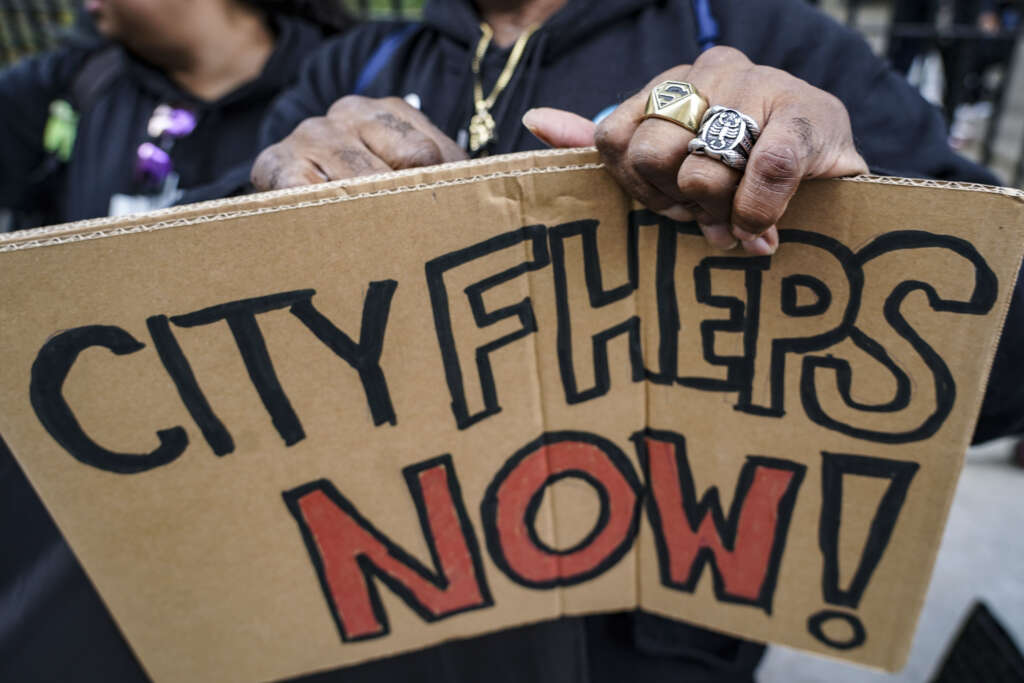

As the number of people sleeping in shelter each night reaches a scale unseen since the Great Depression, it’s critical that New York City’s policies and programs addressing housing insecurity work well.
The city has recently closed the book on a three-year fight over CityFHEPS, a vital rental assistance program that helps people move out of homelessness and into permanent housing. The program now serves 64,000 households, and the city is also launching a new voucher initiative that will reach even more New Yorkers.
Despite years of conflict over funding and eligibility, for most who have the voucher, it works well. In the Community Service Society of New York’s (CSS)* recent survey of CityFHEPS recipients, 95 percent of housed respondents credited the program with giving them “life changing” stability, and 83 percent said their health improved because of CityFHEPS.
But there is an administrative issue that undercuts the program’s success. CSS’s new report shows that 25 percent of CityFHEPS recipients reported payment interruptions. For example, one respondent told us, “thank you first of all for my place in Brooklyn…I just moved in not that long ago. But they are not sending payments on time. I don’t want to lose my place that I just got.”
The Center for Justice Innovation’s Eviction Diversion Initiative (EDI) works with tenants facing eviction because of problems with their voucher payments. The most common issues that land CityFHEPS recipients in court occur when tenants are updating their information or renewing their benefits with the CityFHEPS renewal unit at the Human Resources Administration (HRA), which is responsible for helping tenants renew and modify their vouchers and administering monthly rent payments to landlords. These include delays or errors in processing renewals; underpayment when the voucher amount isn’t adjusted after a loss of income or increase in rent; and paper rent checks getting lost or sent to the wrong address.
Despite the best efforts of the hardworking team at the CityFHEPS renewal unit, these problems persist because the unit lacks the resources it needs to handle the significant volume of work coming its way every day.
The Eviction Diversion Initiative sees the consequence of CityFHEPS administrative problems daily. In one recent case, after repeatedly attempting to get CityFHEPS to approve a modification of his voucher amount following a layoff, a CityFHEPS recipient ended up in court and was ultimately evicted. He became homeless and was sleeping on the trains when he was referred to EDI. The EDI team quickly diagnosed that his arrears were due to an error with the CityFHEPS payment and immediately flagged his case to the renewal unit, which then worked expeditiously with the landlord to reinstate the client and get him back into his apartment. But this was an extremely stressful and costly process that could have been avoided.
CSS’s recent survey findings are in line with the EDI client’s experience: Of the 137 CityFHEPS recipients who reported payment interruptions, the majority accumulated rent arrears and ended up in housing court. Fifty-six percent (76 people) reported ultimately being evicted following the payment interruption.
A rental assistance program cannot prevent homelessness if administrative problems lead to the very evictions it was designed to avoid. Now that the immediate question about CityFHEPS’ budget is settled, the city should prioritize making sure the program works for households who rely on it.
This year, the city can help CityFHEPS recipients stay housed by improving the timeliness and reliability of rent payments, increasing the speed and quality of renewal applications, expanding landlords’ ability to communicate directly with HRA, and addressing other administrative issues within CityFHEPS’ rent payment system. We believe all of these reforms are achievable if HRA, and the CityFHEPS renewal unit in particular, had adequate staffing.
No one should be evicted because they are waiting for paperwork to be processed. The city should prevent evictions of households receiving CityFHEPS by working with the court to identify issues early and prioritize those households at immediate risk of eviction for review and payment of arrears.
Mayor Zohran Mamdani inherited substantial administrative and staffing problems within the city’s social service agencies going back to the bungling of the Advantage rental assistance program by the Bloomberg administration more than a decade ago. But problems with CityFHEPS are this administration’s to fix.
The type of knotty administrative reform that is necessary to keep CityFHEPS recipients out of housing court is pothole politics for rental assistance, and something this mayor should embrace.
Oksana Mironova is director of housing policy at CSS; Viviana Gordon is deputy senior director for Housing Justice Initiatives at the Center for Justice Innovation.
*Community Service Society is among City Limits’ funders.