


Share This Article
“The Council is advancing a plan that, if enacted, would strip essential services from the very New Yorkers it claims to protect while failing to deliver a workable path forward for workers.”

Imagine waking each morning knowing that your ability to get out of bed, bathe, eat, use the bathroom, travel to work, or simply remain in your own home depends on someone showing up to provide the care that makes independent living possible.
Imagine knowing that without that care, the alternative is not inconvenience—it is institutionalization, hospitalization, or isolation behind a closed apartment door. For thousands of older New Yorkers and New Yorkers with disabilities who rely on round-the-clock home care, that fear is no abstraction. It is immediate, it is personal, and under the City Council’s misguided approach to reforming 24-hour shifts, it is becoming dangerously real.
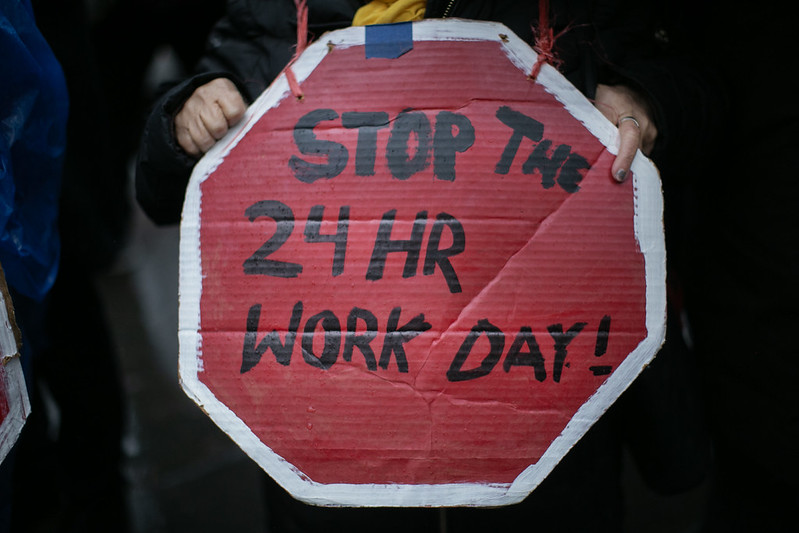
We know the current 24-hour shift model is broken. No worker should be expected to labor for an entire day, often through the night, often without real rest, and too often without fair compensation. It is exploitative, inhumane, and long overdue for reform. The Legal Aid Society represents home care workers who have endured exactly those conditions, and we have long supported efforts to end their exploitation.
But the City Council’s current proposal mistakes a slogan for a solution. By imposing local mandates on a home care system that is authorized, regulated, and overwhelmingly funded through New York State Medicaid—without securing state approval, reimbursement reform, or the funding needed to replace existing care hours—the Council is advancing a plan that, if enacted, would strip essential services from the very New Yorkers it claims to protect while failing to deliver a workable path forward for workers.
The problem is straightforward. New York City cannot successfully remake a home care system on its own when New York State authorizes, regulates, and finances it through Medicaid. Replacing a 24-hour live-in arrangement with split shifts requires new service authorizations, operational infrastructure, and significant public investment that the city has neither secured nor committed. Without those changes, agencies will be left to absorb unsustainable costs, reduce services, or stop accepting high-need patients altogether.
For older adults and people with disabilities who depend on continuous care, that means missed hours, disrupted relationships with trusted aides, and a very real risk of being forced from their homes into hospitals, nursing facilities, or other institutional settings. It also can mean family members being forced into providing informal care, which often means quitting jobs or cutting hours.
There is a better path, and it begins by targeting exploitation directly instead of destabilizing the entire home care system. City leaders should prohibit agencies from retaliating against home care aides who refuse 24-hour shifts and impose meaningful penalties on those that do. They should require agencies to allow workers to report every hour worked, free from intimidation or punishment, and aggressively enforce labor protections against wage theft and abuse. And they should mandate that agencies promptly provide documentation of round-the-clock work to authorizing insurance plans so those plans can promptly evaluate whether eligible patients should receive split-shift authorization.
At the same time, city and state leaders must work together to secure the funding necessary to fairly compensate workers without reducing access to care. That is what real reform looks like: protecting workers, preserving care, and refusing to pit one vulnerable community against another.
Opposition to Intro. 303 is not coming from one corner of the advocacy world. It includes disability rights organizations, independent living centers, labor leaders, legal services providers, and advocates representing both home care workers and the New Yorkers who depend on their care every day. They have united because they understand what is at stake: fair treatment for workers and uninterrupted care for the New Yorkers whose lives depend on it.
Workers deserve fair pay, legal protections, and dignity on the job. Older adults and New Yorkers with disabilities deserve the care that allows them to live safely and independently in their communities. New York does not have to choose between protecting workers and protecting care recipients. It can and must do both. Anything less is not reform. It is abandonment.
Adriene Holder is the chief attorney of the civil practice at The Legal Aid Society.