


Share This Article
The city financed the creation and preservation of 12,491 affordable homes in the first six months of the year, the lowest since 2022. But housing experts cautioned against drawing conclusions from just six months of data. “It’s really the long term trends that matter.”
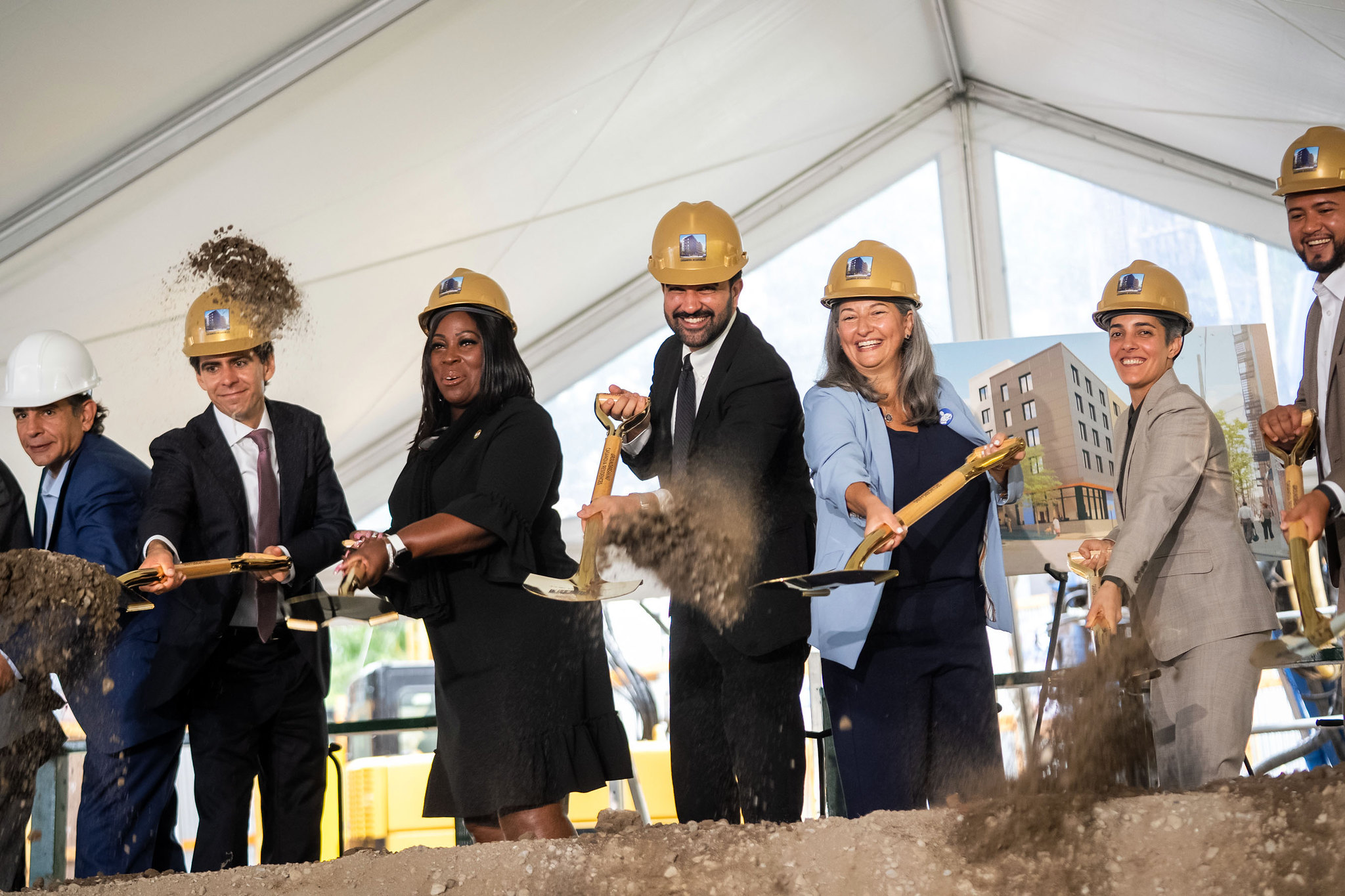
The mayor’s office released its latest affordable housing production numbers Tuesday, saying that the city financed the creation and preservation of 12,491 affordable homes in the first six months of 2026.
Though new Mayor Zohran Mamdani has championed new housing projects through his first half-year in office, the numbers represent the lowest total since 2022, the first year of Mayor Eric Adams’ administration. But experts cautioned against drawing strong conclusions from just six months of data, noting that development projects typically take years.
“Dealing with our housing crisis is a long term proposition, from a government standpoint,” said Howard Slatkin, executive director at the Citizens Housing and Planning Council. “It’s really the long term trends that matter.”
Several factors can impact production numbers, including how the city spaces out its project closings and whether the state provides additional tax credits later in the year. And when City Hall changes hands, the outgoing administration will often try to wrap as many projects as possible before leaving office to end on a strong note, experts said (indeed, the Adams administration financed 15,380 affordable units during its final half-year, its highest since the end of 2023).
“The first six months of any administration, you’re doing your housing plan. You’re staffing up. There’s a lot going on,” said Vicki Been, faculty director of NYU’s Furman Center for Real Estate and Urban Policy and a former deputy mayor for housing under Bill de Blasio.
This year is “off to a good start,” she said, particularly when it comes to the number of units reserved for those most in need. The administration said that more than half of the units will serve extremely and very low-income New Yorkers, equivalent to a household of two making less than $68,000 a year; 2,000 of the units were set aside for formerly homeless New Yorkers.
Mamdani’s recently released housing plan calls for 200,000 new affordable housing units over the next 10 years. He also pledged to preserve an additional 200,000 units. To keep pace, the administration would need to create 10,000 new affordable units and preserve 10,000 more every six months—a level of production that hasn’t been reached under any recent administration.
City hall said its first six month’s number includes 4,951 preserved units and 6,632 new units. An additional 908 public housing units were preserved through NYCHA’s PACT program, which switches traditional public housing to Section 8 vouchers and private management.
But the administration is hopeful that they can pick up the pace thanks to some targeted city reforms from the mayor and his predecessor, Mayor Eric Adams.
“With a historic $22 billion investment over five years, we are just getting started. We are going to build more, preserve more and move more New Yorkers into homes faster than ever before,” said the mayor in a statement.
Ballot measures passed by voters late last year could speed up the process for building on city owned land, force housing-resistant city councilmembers to the bargaining table, or, starting this fall, make building easier in the neighborhoods that produce the least affordable housing.
The Mamdani administration’s own plans, which were a focus since week one of his administration, include reforms to speed up housing production and identify city-owned sites for development.
Two weeks ago, the mayor announced a tracker for 100 in-progress housing projects on city land that he says would produce 50,000 units of affordable housing—getting him a quarter of the way to his 10-year goal.
But it remains unclear how those ambitions will play out. Even the projects that the administration featured in a press event last week have been plagued with delays that stretched them out for years. Broader nationwide trends are also impacting the costs of new development, like tariffs, rising prices for construction materials, and high insurance rates, experts say.
Another obstacle could be the new 485x tax credit for new rental buildings, which is less generous than its predecessor, 421a. Under the program, developers get a property tax abatement in exchange for setting aside a percentage of units for the city’s affordable housing lottery.
Under 485x’s higher wage rules for buildings with 100 units, however, developers have proposed a number of smaller, 99-unit buildings, sometimes wedged together on the same lot, which could produce less housing (and less affordable housing overall). The expiration of the 421a tax credit in 2022, and extensions of the tax credits for some buildings in the following years, may have boosted those production numbers in 2022 and 2023 as well.
“They’re inheriting in a landscape that has pluses and minuses to it,” Slatkin said of the new administration.
With Mamdani’s housing plan now out and his first annual budget complete, the real test will be what happens over the next four or eight years, he added.
“This is their first production report. They’re going to have a lot more,” Slatkin said. “And it’s the trend moving forward that we’re all going to be watching.”
Here’s what else happened this week in housing—
ICYMI, from City Limits:
- Landlords are hoping to strike down local laws protecting tenants who use rental vouchers from discrimination, which were already under threat due to a controversial decision from an upstate Supreme Court in March.
- The Fulton Correctional Facility in the Bronx was shuttered in 2011 and transformed into transitional housing for formerly incarcerated men. The program is now helping them find jobs, permanent homes, and second chances.
- Nearly a third of New York City’s residential trash gets incinerated at facilities in other states and towns, what environmentalists say has harmful health and climate impacts. But stopping the practice would require a major reduction in the amount of waste the five boroughs produce.
ICYMI, from other local newsrooms:
- The saga over plans for the Elizabeth Street Garden comes to a resolution, NY1 reports.
- Extreme weather, including snow, heat waves and wildfire smoke, are contributing to the slowdown of eviction cases in housing court, New York Magazine reports.
- A rent-stabilized tenant in Kips Bay is refusing to move as the owner seeks to demolish the building to make way for 160 new apartments—resisting pricey payouts to vacate, according to The City Reporter.
- Longtime housing activist and Lower East Side community organizer Carlos Garcia, known as Chino, died late last month, the New York Times reports. He was best known for his work with the Puerto Rican community group Charas and its campaign to reclaim an abandoned public school building in the East Village.
- Tenant advocacy groups are pushing back against a lawsuit, filed on behalf of several landlords last month, that seeks to overturn the Rent Guidelines Board’s June decision to freeze rents for rent stabilized apartments, according to Gothamist.
- Mamdani is expanding an initiative to address student homelessness and support children in shelter, though at fewer schools than he promised on the campaign trail, the Daily News reports.
To reach the editor, contact [email protected]
Want to republish this story? Find City Limits’ reprint policy here.
1 Comment