


Share This Article
A group of landlords, represented by former Adams administration official Randy Mastro, sued the Rent Guidelines Board alleging that the freeze was preordained by Mayor Mamdani, in violation of the board’s legal responsibilities.
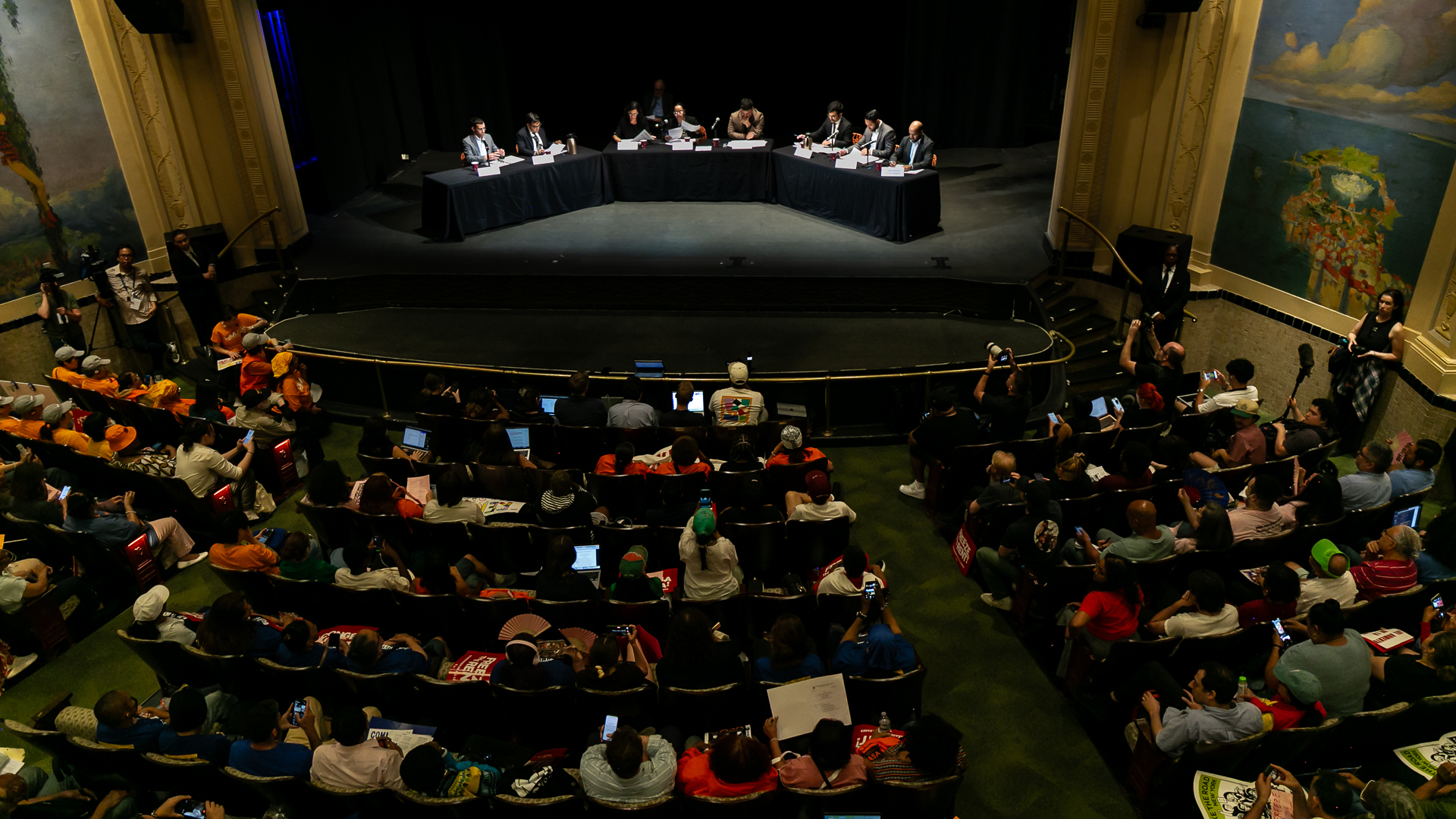
Landlords are suing the city’s Rent Guidelines Board that voted to freeze the rent in June.
The lawsuit, filed in Richmond County Supreme Court, alleges that Mayor Zohran Mamdani, who vowed to freeze the rent during his mayoral campaign, packed the board and compelled its members to freeze the rent at landlords’ expense.
“The Mayor went to extraordinary lengths to pack the Board with loyalists and then spent millions in City funds to fill the Board’s hearings with tenant advocates,” reads the lawsuit, filed by former First Deputy Mayor under Eric Adams, Randy Mastro.
City Hall said that the board came to its decision independently.
The RGB is charged with setting allowable rent increases on the city’s roughly 1 million rent stabilized apartments each year. Composed of both members representing tenants, landlords, and the public, the board considers testimony and data on revenues and costs in the city’s rent stabilized housing stock.
The board voted for 0 percent increases on both one- and two-year lease renewals for the year starting Oct. 1.
The lawsuit claims the board did not act independently, and reneged on its responsibility to consider costs in rent stabilized buildings, which rose 5 percent last year, according to the board’s data
“To do the Mayor’s bidding, this Board then made a mockery of its statutory mandate, resorting to multiple manipulations of its own data to try to justify this irrational result,” the lawsuit reads. And this all comes amid unchecked inflation and rising costs that struggling landlords will have to bear to survive.”
The mayor toned down his overt support for a rent freeze after he took office in January, but his administration did launch a campaign to get people to turn out to testify to the board.
Tenant advocates have maintained that the data does indeed support a rent freeze. Net operating income, or landlords revenue left over after covering their operating costs, rose 6 percent last year, according to the board.
“Tenants won a rent freeze because the economic data and tenant testimony clearly supported one. Landlords had no problem with the RGB’s process when it was rigged in their favor,” said Sumathy Kumar, director of the New York State Tenant Bloc, in a statement.
Arpit Gupta, the lone member of the board to vote against the rent freeze this year, said in a late June panel that there was no undue influence in the board’s dealings.
Deborah Reigel, one of the lawyers representing the Staten Island landlord Michael Fazio in the suit, said that she thought a rent freeze during a time of rising costs and inflation would hurt tenants as well as landlords.
“These are owners that are trying really hard to make ends meet just like their tenants are,” said Riegel, reiterating a common complaint of landlords, who say the limited rent increases under rent stabilization make it hard for them to afford to keep their buildings in a state of good repair.
“I happen to think this isn’t particularly good for tenants as well as owners,” she added. “When you have landlords that are just scraping by, the improvements beyond code compliance can’t get done.”
The parties are due back in court Sept. 2, before this year’s freeze would take effect Oct. 1.
“This lawsuit is an effort to manufacture uncertainty for millions of rent-stabilized tenants after a lawful public process delivered badly needed relief,” added Darius Gordon, executive director of the Met Council on Housing.
Here’s what else happened this week—
ICYMI, from City Limits:
- A Supreme Court Judge ruled the city could be held liable for discrimination against a transgender woman who alleges the Department of Homeless Services refused to place her in a women’s or transgender shelter, resulting in her sexual assault.
- Rent-stabilized tenants at the historic Riverside Houses in Brooklyn Heights say years of neglect by their landlord, Pinnacle Group, has led to crumbling ceilings, brown water, and repeated pest infestations.
- Mayor Mamdani’s administration is backing a bid from a developer to preserve a portfolio of 887 rent-stabilized units in East Harlem, in a test of the mayor’s housing goals.
- Residents in a senior-only building in Chelsea allege they are being harassed by the public housing authority and its private management partners. It’s the latest legal challenge in a years-long battle to redevelop the housing complex.
ICYMI, from other local newsrooms:
- City building inspectors are reviewing least eight projects handled by a steel fabrication firm that was involved in the construction of the Midtown tower were structural columns collapsed earlier this month, according to Gothamist.
- Four Upper East Side buildings that tested positive for live Legionella bacteria in the latest deadly outbreak were out of compliance with city rules for testing their cooling towers, a review by The City Reporter found.
- At NYCHA’s Marlboro Houses in Brooklyn, corks have been recycled into walkways, the New York Times reports.
- Nonprofit attorneys with Brooklyn Defender Services, including those who work in housing court, ended a five-day strike after coming to tentative deal with management over wages and benefits, amNY reports.
To reach the reporter behind this story, contact [email protected]. To reach the editor, contact [email protected]
Want to republish this story? Find City Limits’ reprint policy here.