


Share This Article
“I’ve seen how Brooklyn has grown in prosperity and desirability, and I’ve also seen that access to opportunity—the hallmark of a just and healthy society—has not kept pace.”
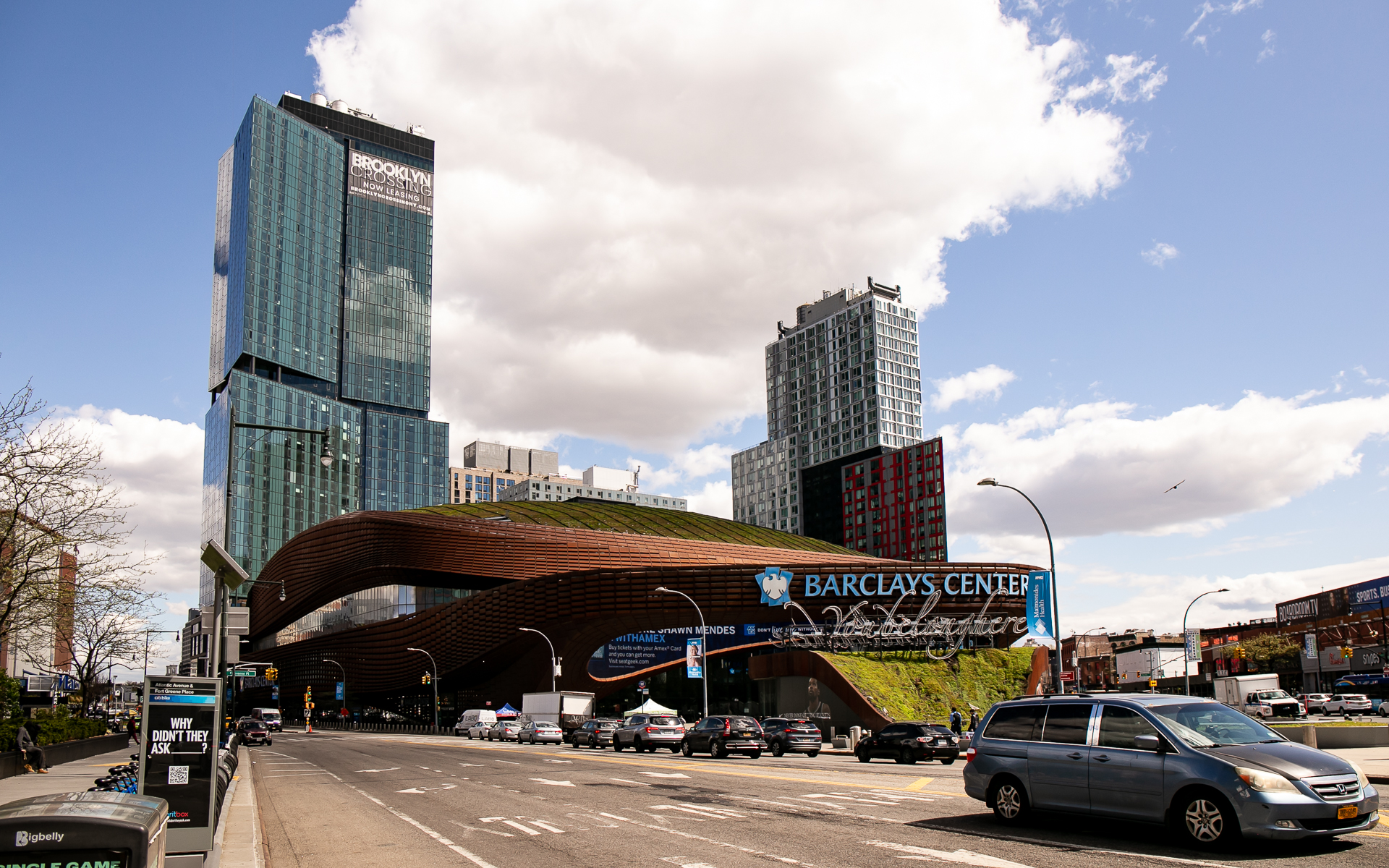

Brooklyn is a borough of contradictions. It is a place of both striving and aspiration and of hardship and disadvantage.
If Brooklyn was its own city, it would be the fourth largest in America. It has more culture, energy, and options than most cities in the world. Brooklyn is hotter than ever—and is less accessible to working people than ever, even though the appeal of this borough has always been its breathtaking range of humanity—from dock workers to artists, people of means to people struggling to get by, and including people whose families come from every part of the world.
At the same time, many in Brooklyn are getting priced out and forced to make a dollar stretch like never in recent history, particularly to afford a safe place to sleep. The city’s recent True Cost of Living report found that 61.5 percent of borough residents are unable to reliably afford what they need to survive. That’s the second highest percentage in the city, trailing only the Bronx. It’s a stark contrast to Brooklyn’s image as a global destination.
This contrast has been on my mind lately, since starting this year as CEO of Brooklyn Community Services, the oldest and largest provider of social services in the borough. I’ve seen how Brooklyn has grown in prosperity and desirability, and I’ve also seen that access to opportunity—the hallmark of a just and healthy society—has not kept pace. At the same time that some parts of the borough have seen a huge spike in real estate prices and a dearth of housing options, many longtime Brooklynites are having a tough time keeping their heads above water.
I see the effects in the services my organization provides. More and more people are coming to one of our nine Food for Families distribution sites, where we give away 100 bags of fresh produce a week to those in need. Sometimes we run out of bags. Food deserts have long plagued poorer neighborhoods across New York City and we have accepted for too long that our working class neighbors don’t deserve access to fresh, healthy, and affordable food options. That wouldn’t happen if fresh food were both affordable and available in every neighborhood. Similarly, homeless shelters are an area of growth for BCS, which is a devastating reality for many of our most vulnerable neighbors.
While that and other services that we provide do help, they don’t solve any of the underlying problems. Those include:
- A lack of affordable housing. Not enough of it is being built in the borough, the city or the entire state, and the result of that is increased homelessness.
- Turmoil in the job market, with a lack of clarity on how artificial intelligence is reshaping employment. But what is clear is that people on the lower end of the income spectrum are going to continue to be harmed disproportionately.
- A federal government that increasingly restricts access to benefits and is punitive of poverty. We see how that plays out in our Education Center in Sunset Park, where people come for support to navigate the job market or recent immigrants can get help figuring out how to be new Americans in a new language.
Solutions to these problems will do two important things: First, it will ensure that Brooklyn remains desirable, because the beauty of Brooklyn will always be its gorgeous tapestry of cultures. Second, lasting solutions will do what my organization and many other nonprofits want—make our crisis support work unnecessary and allow us to build community and empower individuals and families.
To be clear, it is not the responsibility of Brooklyn’s recently arrived, wealthier residents to solve these issues. It’s the responsibility of those in government—those who run the systems—to ensure the systems work. It is unacceptable that people should live without a home, or go without to keep their home.
That’s not the responsibility of a single person with means. It’s our collective responsibility. And when we accept it, Brooklyn will be a place that benefits all.
Archana Jayaram is CEO of Brooklyn Community Services.