


Share This Article
“Without committing to finishing the park, a mayoral approval of Monitor Point sends a clear message: the city will continue to collect on private development while deferring its public obligations.”
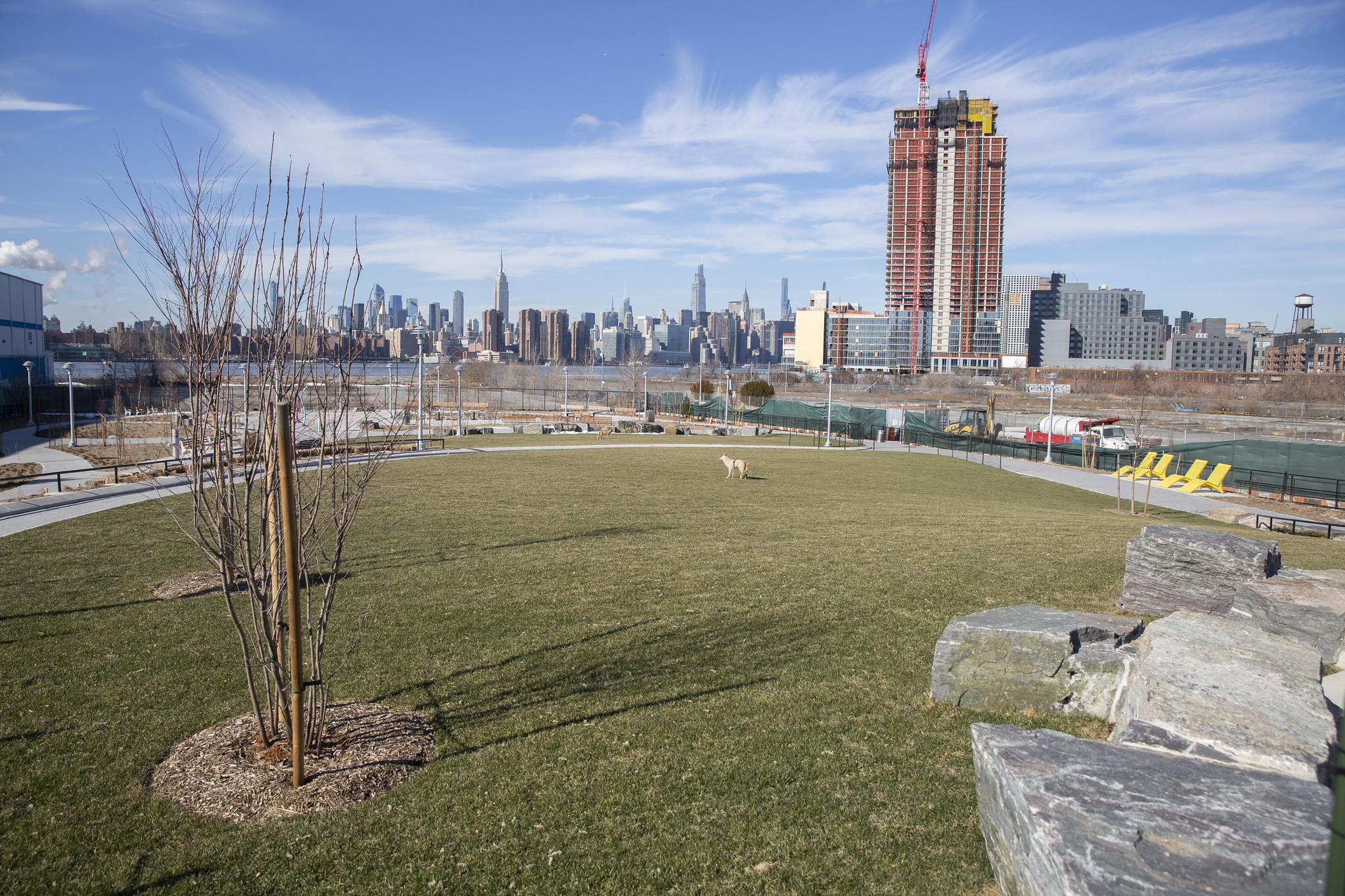
For North Brooklynites, 2026 marks a sobering 10-year anniversary.

In 2016, after enormous public pressure, the city purchased Citistorage, a six-acre parcel along the Williamsburg waterfront, for $160 million and declared it a milestone toward completing the full 27-acre Bushwick Inlet Park promised to the rapidly growing neighborhood years before. A decade later, that high-profile site remains a vast, inaccessible concrete slab, with fewer than two new acres opened since 2013.
Meanwhile, Brooklyn Bridge Park, which broke ground within a year of Bushwick Inlet Park—in 2008 and 2009, respectively—has been completed in full. Its 89 acres of lawns, playgrounds, piers, and athletic fields were built in phases and are maintained by dollars generated through private condos located on the property.
The contrast is unmistakable: one waterfront commitment was treated as urgent civic infrastructure, while the other has been allowed to stall. That needs to end now.
North Brooklyn has undergone extraordinary growth. Since the 2005 rezoning of Greenpoint and Williamsburg, tens of thousands of new apartments have been built with thousands of jobs created. This has become one of the fastest-growing pockets of the city, and a park was promised then to give residents, new and old, some space to breathe.
What’s happened since? The housing was delivered. The park was not.
As executive director of the North Brooklyn Parks Alliance, the city’s licensed partner supporting horticulture and stewardship in Bushwick Inlet Park and other parks in the neighborhood, I see firsthand the strain on the limited parkland that is open. Our nonprofit has invested substantial private dollars and thousands of labor hours maintaining and activating existing acreage. We are driving the formation of a Northside Improvement District to create a sustainable funding mechanism for long-term maintenance because we understand that stewardship cannot rely solely on the city alone.
The fight for Bushwick Inlet Park is a visceral reminder of that. It exists because residents fought for it. Neighbors and civic groups spent decades pushing to transform contaminated industrial land into open space. They testified at hearings, negotiated with City Hall, resisted private interests, and mobilized to secure public acquisition of key parcels. They pressed polluters to address contamination on the 11-acre Bayside site, which alone accounts for nearly a third of the future park.
Civic persistence secured the land, but political follow-through has lagged. Not a single new acre of Bushwick Inlet Park opened during the Adams administration; instead, 80 percent of the promised park remained fenced off and neglected. Rather than visible progress toward remediation and construction, stretches of the unfinished park became the last administration’s de facto dumping ground: broken playground equipment, discarded boulders, torn safety mats, collapsed benches. Invasive weeds now overtake fencing and cracked concrete. Occasionally, a brave skater scales the fence and rides what feels more like the Wild West than one of the most valuable waterfronts in the world.
Now comes Monitor Point, a major housing project proposed by Gotham Organization that would add thousands more residents along the northern edge of the unfinished park. For years, my public position has been unwavering: any project of this scale must be paired with a maintenance contribution that reflects the real, long-term cost of caring for a park. Brooklyn Community Board 1 agreed, recently approving Monitor Point with conditions, including doubling the project’s proposed annual park contribution.
But the capital obligation to finish Bushwick Inlet Park rests with the city. Without committing to finishing the park, a mayoral approval of Monitor Point sends a clear message: the city will continue to collect on private development while deferring its public obligations.
Finishing Bushwick Inlet Park would immediately improve daily life for tens of thousands of residents. It would create athletic fields for youth leagues that struggle for space. It would expand waterfront access in a dense neighborhood where open space is scarce. It would strengthen connections across Greenpoint and Williamsburg and deliver on a promise more than two decades in the making.
The Mamdani administration has the authority to change the trajectory of this park, in alignment with its swift and energetic agenda around an expanded public realm. That means accelerating remediation, removing city debris from unfinished parcels, coordinating across agencies, publishing a binding construction timeline, and opening the remaining sites without further delay.
The 2005 rezoning was a bargain: development in exchange for open space. The development has arrived, and then some. But now City Hall must decide whether it intends to honor the other half of that deal as it weighs the future of North Brooklyn’s waterfront.
Katie Denny Horowitz is executive director of the North Brooklyn Parks Alliance.