


Share This Article
It’s been three years since the city began requiring hosts of short-term rentals to register them, an effort to weed out illegal listings which officials say took options away from residents amidst a housing shortage.
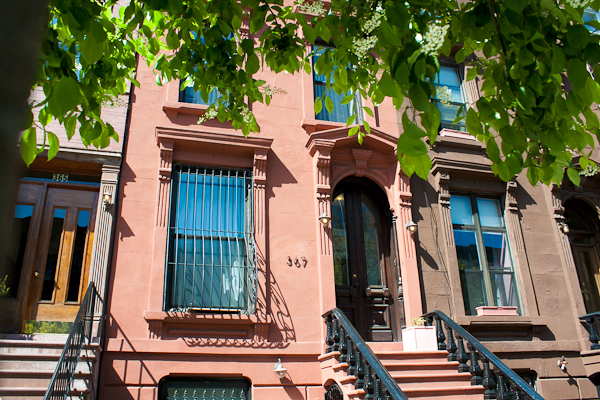
It’s been three years since the city began requiring hosts of short-term rentals to register them with the city—an effort to weed out illegal listings on websites like Airbnb, which officials say took options away from residents amidst a housing shortage.
Since then, more than 3,500 New Yorkers have legally registered as hosts, officials announced Tuesday, including 460 approved in the last year.
The numbers demonstrate that enforcement is working, officials said— “protecting the city’s housing supply” while still allowing hosts who follow the rules to take part.
“Illegal short-term rentals have been linked to rising rents and the removal of homes from the local housing market that would otherwise be available to New Yorkers seeking long-term housing,” the Mayor’s Office of Special Enforcement (OSE), which enforces short-term rental rules, said in a press release announcing the milestone.
Since the 1960s, New York City has required residents who want to rent out parts of their home for less than 30 days to be physically present and living there, and limits them to two guests at a time.
But enforcement was difficult, and as home vacation rental sites like Airbnb rose in popularity, so did the number of illegal short-term rentals, with an estimated 18,000 across the five boroughs in 2018, officials say.
This prompted the City Council to pass Local Law 18, which took effect in 2022 and requires short-term rental hosts to register with the city—and for online booking sites to confirm that registration before listing those properties.
The law also banned NYCHA units and rent-regulated apartments from being used as vacation rentals, and allowed owners to add their properties to a list of buildings where short-term rentals are prohibited. More than 14,000 have done so, officials said.
But Local Law 18 remains controversial. Critics say it’s overly restrictive and hurts small-time homeowners, particularly those in the outer boroughs, who seek to rent out their homes to temporary visitors to pull in extra income and make ends meet.
“Local Law 18 has failed to increase housing and lower rent as promised,” a spokesperson for Airbnb said in statement, saying the law costs homeowners an estimated $15,500 annually. “We agree with Council Members and communities advocating for reform that would restore this critical lifeline while having no impact on the rental market.”*
Last year, the City Council considered a bill that would have amended Local Law 18 to allow owners of one- and two-family homes to rent their spaces for less than 30 days even if they’re not present, and to increase the maximum number of guests from two to four. But it failed to pass.
In a statement Tuesday, OSE Executive Director Christian J. Klossner said the thousands of legally registered short-term rentals demonstrate that Local Law 18 “is not a ban; it simply prevents rentals that were already illegal.”
City Council District 36, which covers Bed-Stuy and Crown Heights, had the most short-term rentals registered with the city as of June 30, with 285, the new data shows.
Meanwhile, the city issued just over 1,900 summonses for “illegal short-term rental activity” during 2025, the most recent year for which those numbers are available. The most—155 summonses—were issued in Council District 3, which spans the west side of Manhattan, from Hell’s Kitchen to the West Village.
You can read OSE’s latest report on Local Law 18 here.
*This story was updated after publication to include comment from Airbnb.
To reach the editor, contact [email protected]. Want to republish this story? Find City Limits’ reprint policy here.