


Share This Article
“We are asking families to build stability on a timeline that does not match the cost of living in New York. If rent remains out of reach, temporary support does not solve the problem. It delays it.“

According to the Zohran Mamdani administration, 62 percent of New Yorkers do not have the income needed to meet the city’s true cost of living.
Even 44 percent of white residents cannot afford to live here, with even higher rates across Black and brown communities.
This is not a small group. This is the majority.
We often frame poverty as something that affects a specific population. That framing no longer holds. This is not only about race. This is not only about unemployment. This is about cost outpacing income across the board.
When working people cannot afford to live, the system is failing.
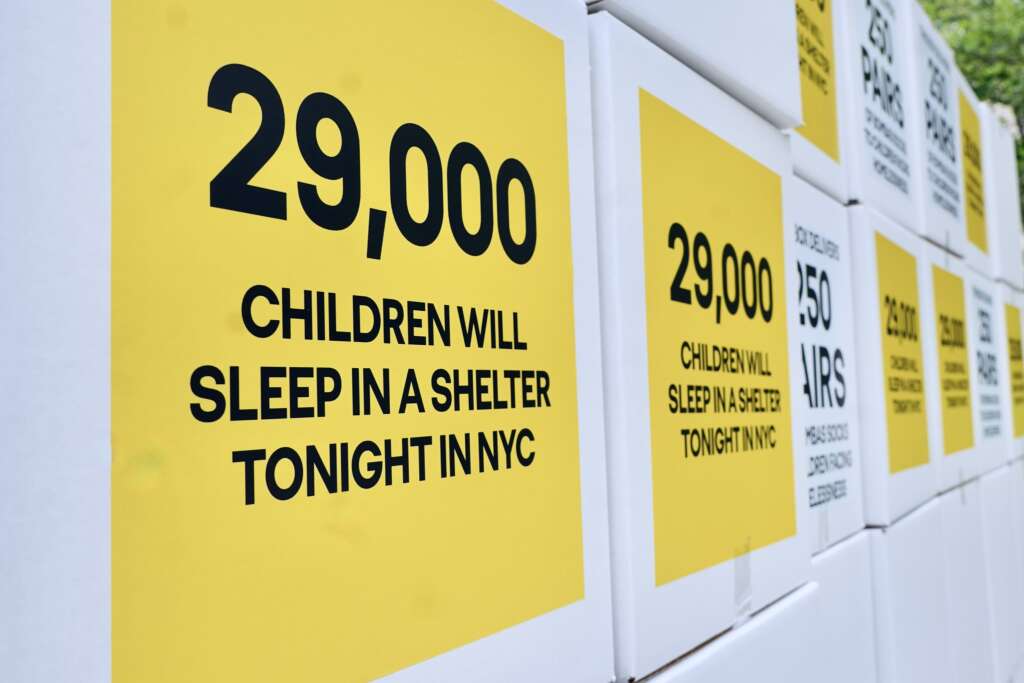
The impact of this is already visible across New York’s shelter system. Many families are working, trying to secure housing, and ready to move forward. But they cannot exit.
Rising rent pushes families out. Delays in housing vouchers keep them stuck. Systems move slower than the crisis.
Families who should be moving into stable housing remain in shelter for months, sometimes longer. Not because they are not ready, but because the process is.
There is also a growing narrative about cost. Shelter is often seen as less expensive to the city because the cost is shared across city, state, and federal funding. Programs like CityFHEPS fall more heavily on the city budget. On paper, shelter can look like the cheaper option.
But that comparison does not reflect reality. Families are not leaving shelter quickly. Administrative delays extend stays. Some families cycle back into shelter again. What looks like a short-term cost becomes a long-term expense.
We are not saving money. We are delaying the cost.
Another reality we are not talking about enough is what happens after families leave shelter. Many families receive vouchers and do everything asked of them. They work. They pursue education. They try to stabilize. Then the voucher ends. And the rent is still not affordable.
Families are left in the same position they were in before, except now with more pressure and fewer options. Some fall behind. Some face eviction. Many return to the shelter system.
We are asking families to build stability on a timeline that does not match the cost of living in New York. If rent remains out of reach, temporary support does not solve the problem. It delays it.
This creates a cycle: Families enter shelter. They receive support. They exit. Support ends. They cannot sustain the rent. They return.
This is not failure on the part of families; this is a system that does not match reality.
When people return to shelter after doing everything right, we have to question the system, not the people.
The question is not which option looks cheaper in a single budget cycle. The question is what actually reduces homelessness. A system that keeps families in shelter longer, and allows them to return, is not efficient. It is reactive. It costs more over time, and it causes more harm.
If we want real solutions, we need to act with urgency: Fix delays in voucher processing. Align benefits with the actual cost of living in New York. Expand direct cash support. Invest in prevention so families do not enter shelter in the first place.
These are practical steps that reduce both cost and suffering.
Right now, too many families are one step away from a crisis. Many have already fallen into it. This is not about one group. This is about the stability of New York as a whole.
We have the data. We see the trend. Now we need the will to act before more families are pushed into homelessness.
Jennifer Love Ortiz is a peer supervisor working with families in New York City shelters and an advocate for housing stability and trauma-informed systems.