


Share This Article
“We can and must do more to address all cases if we’re going to prevent disease and save lives. If our legislation is enacted, New Yorkers will no longer have to become ill before corrective action is taken.”
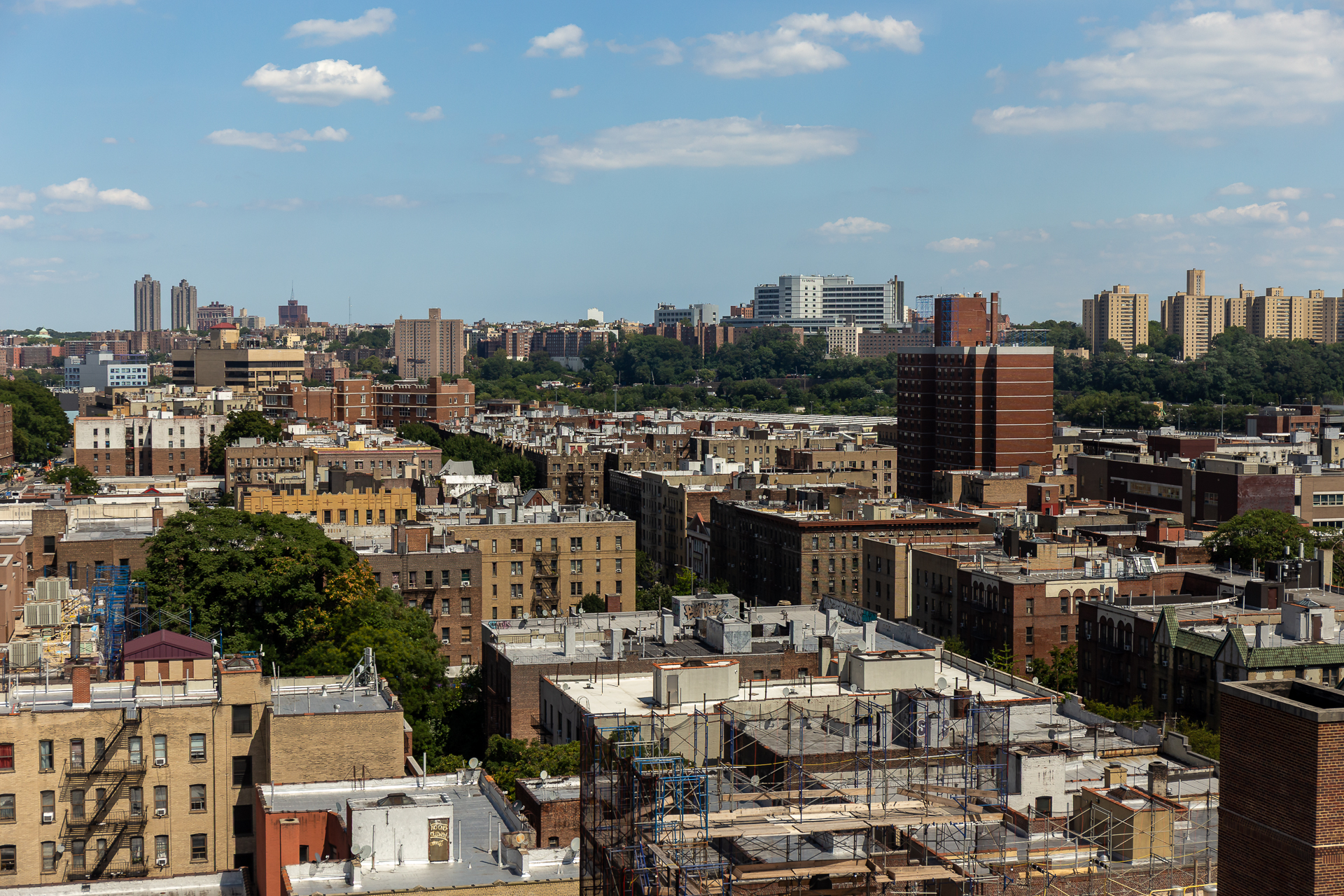

The latest outbreak of Legionnaires’ disease in the South Bronx is just one in a string of occurrences in our city and state this past year, which affected residents in Harlem, the Upper East and Upper West Sides, Westchester, and the East Village. New York City and State continue to lead the nation in Legionnaires’ disease cases, with New York having the second highest rates per capita.
We should all be outraged about these reoccurrences. Legionnaires’ is a severe form of pneumonia which can cause serious illness in those who contract it, with a fatality rate of 10 percent and a hospitalization rate of up to 90 percent. In the current outbreak, one person has lost their life, while 11 others died on the Upper East Side earlier this summer.
These deaths are entirely preventable, and I have sponsored state legislation that will implement a comprehensive system for water management to ensure we’re protecting New Yorkers against this deadly disease.
Legionnaires’ Disease was first identified in 1976, in Philadelphia, upon the occasion of America’s 200th anniversary. As we now mark 250 years, we’re sadly no safer than we were five decades ago.
Legionella bacteria live naturally in lakes and rivers. Sometimes they slip through water treatment plants and get into public water distribution systems, where they can grow and multiply in the slimy layer that builds up inside pipes.
When disruptions occur—such as water main breaks, treatment changes and heavy rainfall and flooding—legionella is released and flows into the water systems in our homes and buildings. People can be exposed when water is aerosolized through showers, faucets, hot tubs, hoses, misters, HVAC equipment and other points, or aspirated when we’re drinking water and it goes down the wrong pipe.
New York has taken a narrow approach, once people are already at risk of exposure, by regulating only one type of water equipment: the cooling towers that are part of HVAC systems. New York City is also unique in having federal permission to skip filtering most of its water. As a result, more natural organic matter stays behind—and legionella bacteria feed on those organics.
Senate bill 8499/Assembly bill 9095, which I’ve sponsored with my Assembly colleague and Housing Committee Chair Linda Rosenthal, would enhance public health and water quality measures to prevent Legionnaires’ disease holistically, from the source of the water to the tap.
Currently, public health officials only investigate outbreaks, defined as two or more cases at the same time or location, despite the fact that the overwhelming majority of cases—96 percent—are single or sporadic in nature, according to the Centers for Disease Control and Prevention. We can and must do more to address all cases if we’re going to prevent disease and save lives. If our legislation is enacted, New Yorkers will no longer have to become ill before corrective action is taken.
The bill would require water management plans to proactively monitor, manage and ensure adequate treatment of our water to prevent exposure in our homes, workplaces and communities. The bill also requires complete epidemiological investigations of all cases, greater transparency and reporting, and a dedicated public education campaign to raise awareness about the signs and symptoms of Legionnaires’. As we saw with the Upper East Side investigation, the public and elected officials were not made aware of the situation until there were already two cases. Lawmakers learned about it through the media.
The bill follows policies and regulations in place in other states, and codifies recommendations from national experts. New Yorkers deserve to know the water they use every day is safe and will not make them and their loved ones sick, or worse, lead to death. We must act now to prevent future tragedies, by taking real action and enacting this comprehensive policy.
Cordell Cleare represents Harlem in the New York State Senate, where she chairs the Aging Committee.