


Share This Article
The city is expanding its Health Bucks program, which matches every $2 a SNAP participant spends on fruit and vegetables at farmers markets and other select vendors. The change comes as inflation and rising food costs has more households struggling.
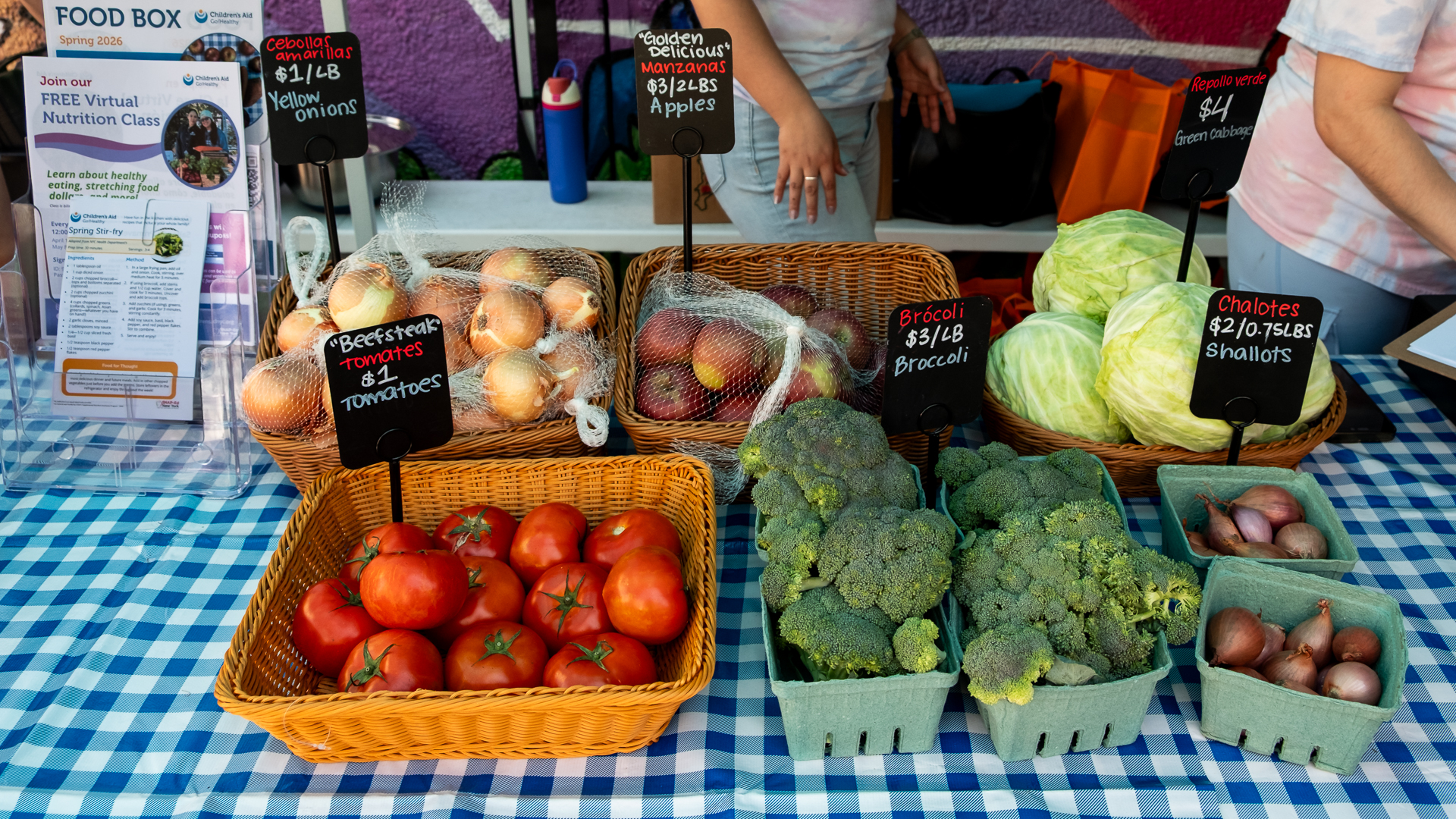
With food costs on the rise, the city is expanding a program that offers low-income New Yorkers extra money to spend on local produce, the Mamdani administration announced Thursday.
Starting in January, participants in the Supplemental Nutrition Assistance Program, also known as SNAP or food stamps, will have greater spending power under the city’s Health Bucks program, which matches every $2 they spend at farmers markets and farm stands with coupons they can use to purchase additional fruits and vegetables.
The city is raising the daily Health Bucks cap from $10 to $14, meaning SNAP participants can qualify for an extra $4 a day for fresh produce at more than 100 locations across the city—what officials say will offer a boost to both households’ budgets and local farmers.
“Every day, New Yorkers walk into a store hoping prices haven’t gone up again,” said Mayor Zohran Mamdani said in a statement announcing the change. “As food insecurity rises, far too many families are forced to skip the fruits and vegetables.”
From 2021 to 2024, the number of city residents at risk of food insecurity—meaning their households sometimes or often struggled to afford food—increased by 18 percent, from 2.2 million to 2.6 million, according to Health Department data released last month.
For certain demographic groups, the numbers were even starker: some 59 percent of Latino and 50 percent of Black New Yorkers were at risk of being food insecure in 2024, the same report found, compared to 40 percent of the city’s population overall. Food insecure households were more likely to forgo fresh produce, the report found.
The city says it expects to distribute nearly $2.3 million in Health Bucks benefits next year with the expanded matching cap.
The change comes as inflation and rising food costs have more SNAP households stretching their monthly dollars to make ends meet. A recent Urban Institute analysis found that for many counties across the country, maximum SNAP benefits fall far below the average cost of a “modestly priced” meal in that area.
In Manhattan, for example, that average meal is approximately $6.07—109 percent more than the $2.90 per meal that a maximum SNAP benefit covers, the analysis found, one of the largest gaps in the country.
To learn more about the Health Bucks program and its participating food vendors, click here.
To reach the editor, contact [email protected]
Want to republish this story? Find City Limits’ reprint policy here.