


Share This Article
“Lasting change depends on the shared understanding that water safety is essential infrastructure and our shared responsibility—not just for one season, but year-round.”
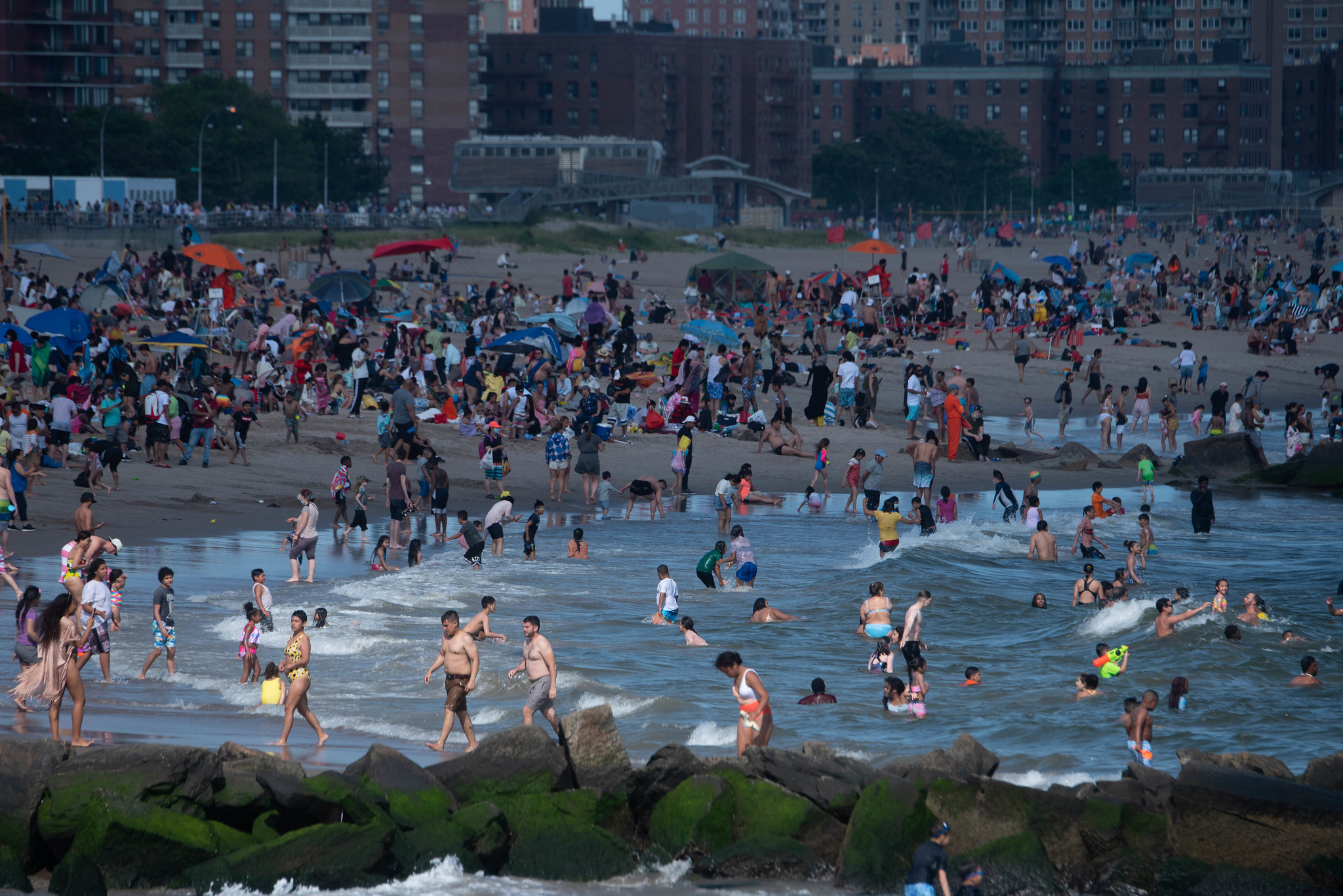

As Labor Day approaches, many New Yorkers are planning one last trip to the beach or local pool. But the end of summer doesn’t mean the risks disappear. In a city with 520 miles of waterfront and thousands of pools, swimming is more than recreation, and water safety is a year-round public health and equity issue.
The stakes couldn’t be higher. The recent drowning of a 17-year-old at Rockaway Beach is a heartbreaking reminder of the very real dangers New Yorkers and their families face in the water. Drowning is the leading cause of death for children ages 1 to 4 and a leading cause of accidental death for older children. Black Americans experience significantly higher drowning rates than white Americans, reflecting generations of unequal access to swim instruction and aquatic facilities.
At the same time, swimming is an essential source of joy, especially during increasingly hot New York City summers. Robust swim instruction and water safety programs promote physical fitness, create pathways to employment, strengthen communities, and most importantly, save lives.
Growing and sustaining these programs—and making water safety a true part of our city’s public infrastructure—requires ongoing commitment from government, philanthropy, community organizations and our fellow New Yorkers.
That shared responsibility is at the heart of our work as the co-chairs of the New York City Lifeguard & Aquatics Taskforce, and something we have embraced ourselves. We both recently took lessons to strengthen our swimming skills, so we know firsthand that swim and water safety instruction can help New Yorkers of all ages.
Our taskforce began in 2023 to address the city’s lifeguard shortage and has since expanded its focus to increase swim access, water safety education, and drowning prevention. This year, we partnered with the city on a universal youth education effort, distributing water safety information to every New York City public school family at the start of summer.
This movement has support in both the public and private sectors. In recognition of the importance of water safety for New Yorkers, the City Council included a significant investment in aquatics in its recent budget. Multiple corporations and foundations—including the Y’s newest partner, Anthem Blue Cross Blue Shield—and the New York State Legislature have fueled efforts to expand free swim instruction, lifeguard recruitment, and certification opportunities in every borough.
Lasting change depends on the shared understanding that water safety is essential infrastructure and our shared responsibility—not just for one season, but year-round.
A culture of water safety begins long before a trip to the beach or community pool. Schools, libraries, camps and community organizations can help provide that foundation, offering water safety programs that teach New Yorkers of all ages how to identify hazards and make smart decisions before they ever put on a swimsuit. Families should understand beach conditions, recognize the dangers of rip currents, and choose locations where lifeguards are on duty.
Every person at a pool or beach has a role to play. Lifeguards perform extraordinary work, but they cannot do it alone. Drowning is often silent and happens quickly. So phones down, eyes up: people of all ages staying present and attentive is one of the simplest and most effective ways we can protect one another.
New York City’s culture of water safety depends on all of us. Every new swim instructor, every certified lifeguard, and every adult and child who learn to swim help make the water safer for everyone.
This work continues long after Labor Day. We have the collective wisdom and power to stay safe, strengthen our communities, and save lives. See you in the water.
Sharon Greenberger is the president and CEO of the YMCA of Greater New York, and Dennis Walcott is the CEO of the Queens Public Library. They are both co-chairs of the New York City Lifeguard & Aquatics Taskforce.