


Share This Article
“We are being told to speak up, ask for help and recognize when we are struggling. That progress matters. But what happens when someone finally listens to the message, asks for help, and the care they need isn’t there?”
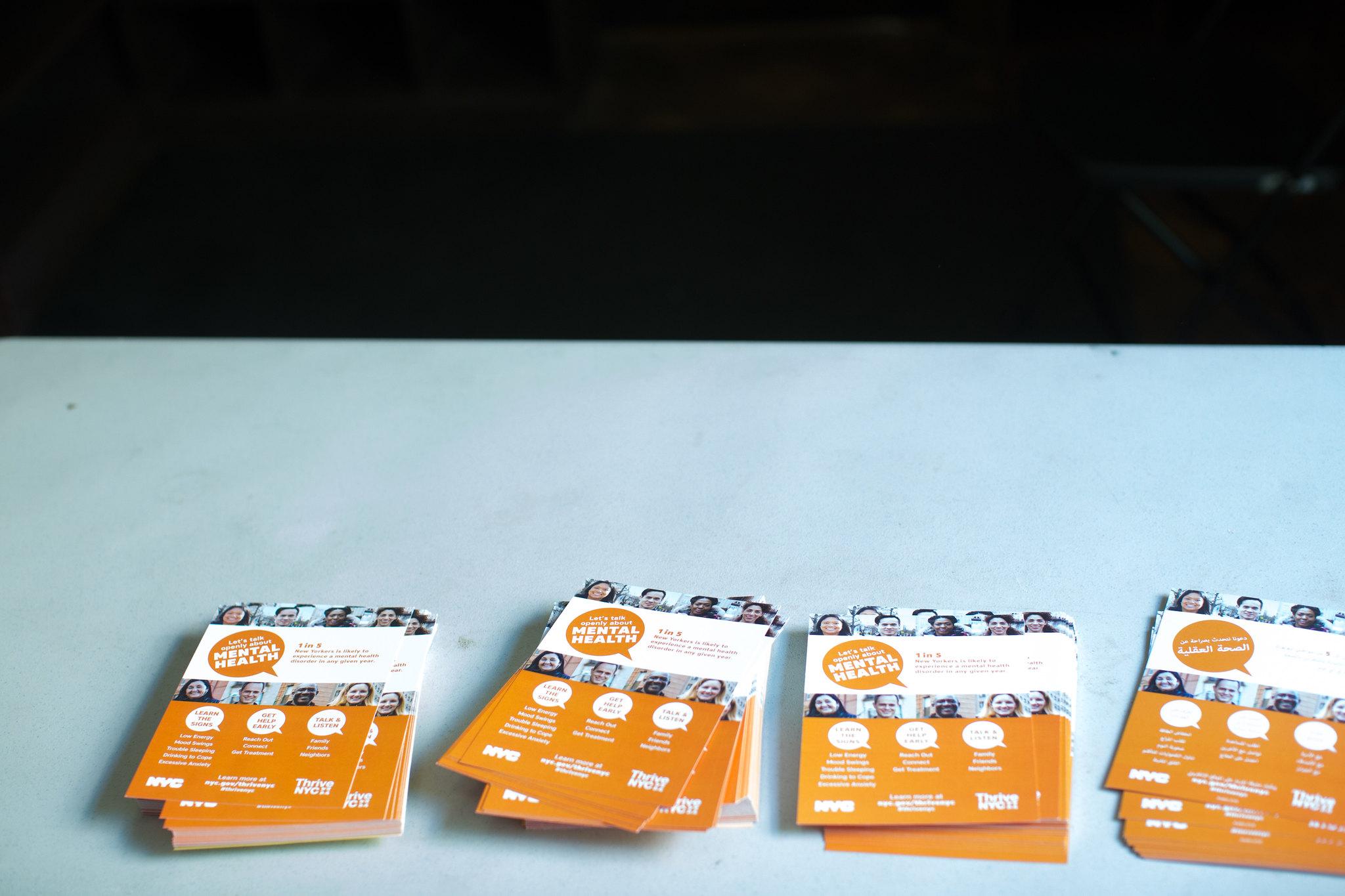

Across New York City today, we see signs telling people to call 988 or encouraging them to speak up about their mental health. It is a noticeable shift from what many of us grew up seeing and hearing.
But putting the message in front of people does not necessarily mean it connects.
For many New Yorkers, especially those raised in communities where mental illness was rarely discussed openly, we are being introduced to a new language around mental health as adults. We are being told to speak up, ask for help and recognize when we are struggling. That progress matters. But what happens when someone finally listens to the message, asks for help, and the care they need isn’t there?
The numbers show just how wide that gap is. According to the New York City Department of Health and Mental Hygiene, approximately 945,000 adult New Yorkers reported an unmet need for mental health treatment in 2023. Among adults already diagnosed with a mental illness, 34 percent said they had an unmet need for treatment. These are people who have already gotten far enough to recognize that support is needed, yet for many, getting that support remains another hurdle.
With Mental Illness Awareness Week recognized in October, there will rightfully be more conversations encouraging people to learn about mental illness, check on one another and seek support. Awareness matters. It can help break down stigma and give people language for experiences they may have struggled to name. But awareness also comes with a responsibility to continue talking about the illnesses themselves and the struggles that come with them.
Awareness is easy. Putting action behind that awareness is what we need.
We can see this disconnect in some of the conversations about unhoused New Yorkers. We can recognize that someone on the street may be living with a mental illness and agree that they need help. But too often, the conversation seems to stop at getting that person off the street or into a hospital. What happens after that? Mental illnesses are not all the same, and an emergency room cannot provide every form of treatment or ongoing support a person may need.
There are signs that New York City recognizes this gap. Mayor Zohran Mamdani recently expanded the city’s Bridge to Home program, which provides transitional housing and continued clinical support for New Yorkers with serious mental illness leaving hospital care. At the opening of its second location in Brooklyn, he said, “Recovery should not end at the hospital doors.”
His statement points to something we often miss when talking about mental illness: stabilization is not the same as long-term care. Someone living with schizophrenia, bipolar disorder or another serious mental illness may need ongoing treatment, medication management, stable housing and community-based support.
We have become more comfortable talking about mental health. We talk about boundaries, self-care, therapy and protecting our peace. I talk about self-love in my own work. Those conversations matter. But mental illness asks us to go deeper. It asks us to sit in conversations that may not be as comfortable or easily packaged into a wellness message.
Mental illness is also not always visible on a subway platform or during a crisis on a city street. It can look like the person who still goes to work every day but struggles to get out of bed on the weekends while living with depression and having no living family members to notice. Or the parent getting their children ready for school while living with bipolar disorder and worrying about how their medication may make them feel.
Someone can appear to be functioning and still be struggling to find consistent treatment. We should not have to wait until a person’s illness becomes visible to recognize that they need support.
The answer cannot simply be more awareness or more instructions to seek help. New Yorkers need places to go before they reach a crisis and continued care after one. That means making treatment easier to find and afford, strengthening community-based services and recognizing that different mental illnesses require different levels and types of care.
It also means investing beyond traditional clinical settings. Community-based organizations and trusted neighborhood spaces can use relatable language, understand the communities they serve and create spaces where people feel safe enough to say something is wrong before they reach a crisis. They are not replacements for psychiatrists, therapists or hospitals. They can be part of the bridge that helps someone recognize when they need more support and feel comfortable enough to take that next step.
We should keep putting up the signs. We should keep telling New Yorkers that it is okay to speak up, ask for help and call 988 when they need immediate support. But we cannot confuse awareness with a complete response.
Mental Illness Awareness Week gives us another opportunity to talk about mental illness. Let’s also use it to ask harder questions about what happens after someone asks for help, who we are still failing to reach and what support looks like before a crisis becomes an emergency.
Because the goal should not simply be getting someone through the hospital doors. It should be making sure more New Yorkers have somewhere to turn long before they ever have to walk through them.
Kayla Thompson is the Founder of Broken Hearts Restored, a community-centered mental wellness organization focused on emotional safety, de-stigmatizing mental illness, and creating supportive spaces for underserved and often unseen communities. She is a certified mental health coach and emotional wellness facilitator based in New York City.