

The Brooklyn Bureau’s 2012 report on the problems facing John Dewey High won top honors in a national competition among education reporters.


Seven candidates representing four parties discussed wages, sick leave, stop-and-frisk and other issues—to cheers and jeers from the crowd, and occasional jabs from one another.

The dispute between a South Bronx landlord and a radical arts collective has become a rallying cry for supporters of the group, which combines youth development with political activism.

Ask people on Blake Avenue what’s their No. 1 campaign concern, and they’ll say “crime.” But their worry seems to be less about violence and more about whether young people are on the wrong track.
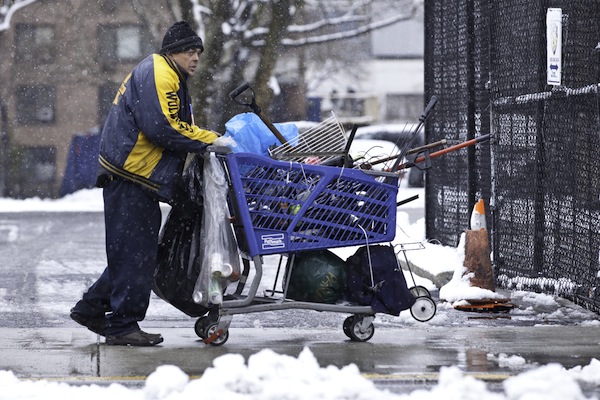
The mayor aimed to significantly reduce the homeless shelter population. The opposite has happened. Now, there’s a lot more blame to go around than ideas on what to do next.

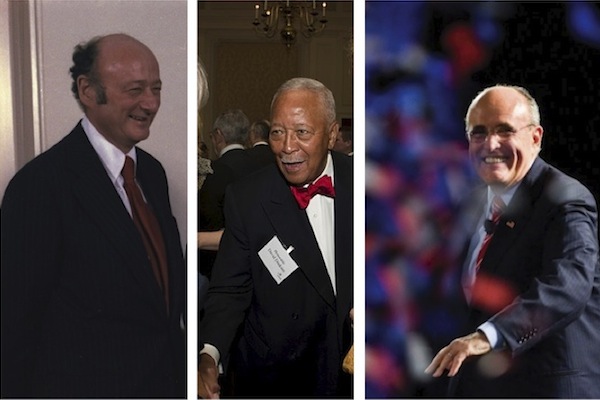
The homeless have always been with us. But somewhere along the way they changed from an isolated population of alcoholic men to a visible problem affecting families with children.

Produced in close concert with advocates, the mayor’s 2004 initiative aimed for a paradigm shift in how the city approached homelessness. And it aimed to achieve it in record time.

The city and advocates argued over a series of issues. But they mostly joined forces to defend a crucial state program torpedoed by the state.
Some blame the collapse of a key housing program for high homeless numbers. Others say economic woes are still a factor.
President Obama and Democrats in Albany want a higher minimum wage. Among Brooklyn’s low-wage workers, who will it help and how much?
