


Share This Article
“Affordable housing belongs in every neighborhood, including those rich in opportunity and resources.”

New York City is in a housing crisis that can no longer be answered with good intentions alone. Simply put, we need homes: we need them in every borough, in every neighborhood, and in places with access to transportation, jobs, schools, services, and community life.
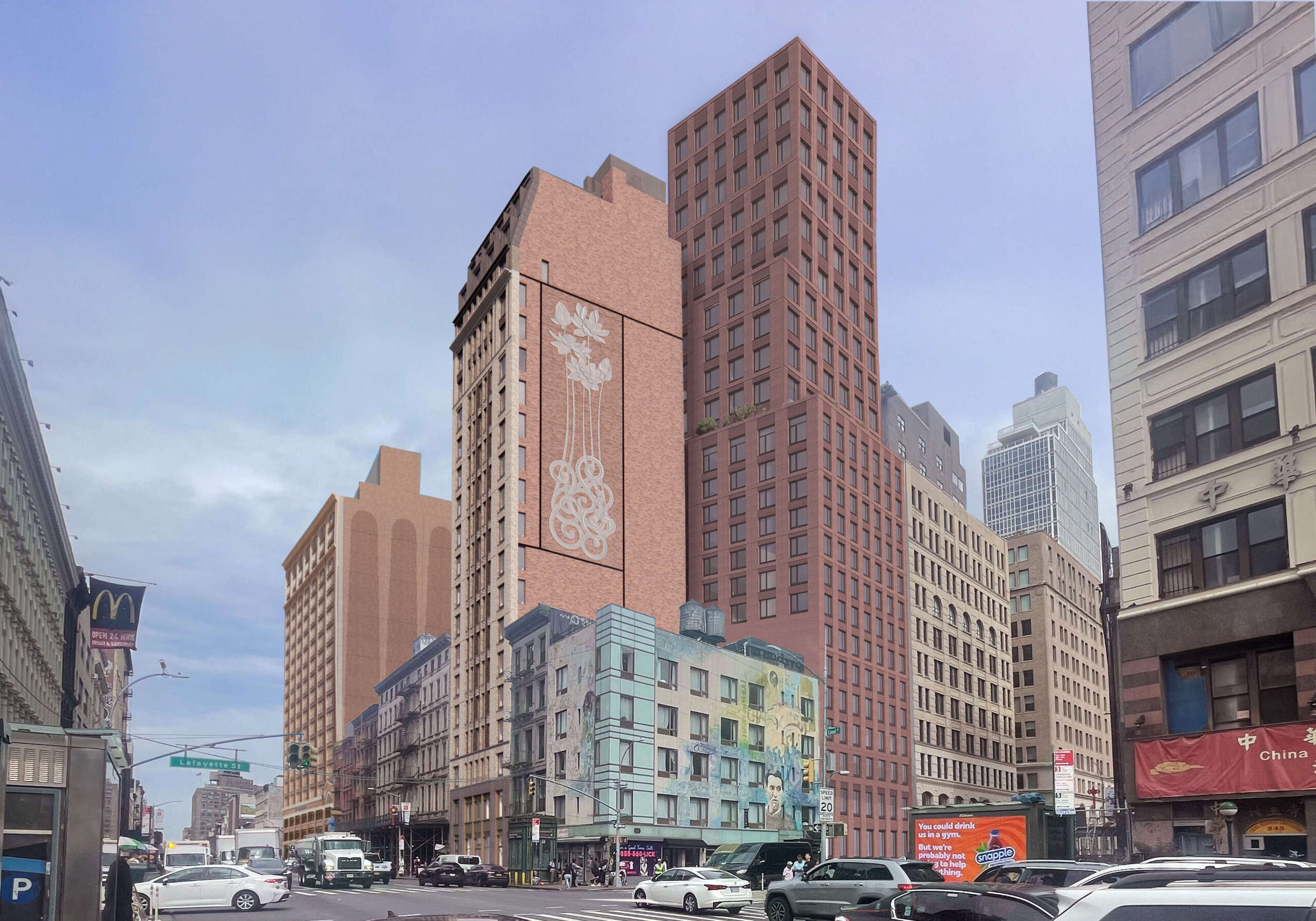
Consider the proposal for 257 Canal St. in Soho’s cast-iron historic district: a 20-story building with retail and 89 permanently affordable, low-income homes. It would serve low-income New Yorkers, young adults aging out of foster care, and young people who have survived trafficking. They deserve a safe home, a stable address, and an opportunity to belong.
At The Children’s Village, we’ve spent 175 years working with children, young people, and families. We know that housing is often the difference between instability and independence. It can determine whether someone can stay in school, hold a job, establish healthy relationships, and begin adulthood with safety and dignity instead of despair.
At the Center for Fair Futures, our work strengthens the systems and supports that help young people in foster care successfully transition into adulthood. Through our Housing Justice Project, young people with lived experience have helped shape and advance solutions to the housing barriers they face. Their leadership underscores a fundamental truth: coaching, education, and employment supports are essential, but without stable, affordable housing, progress is difficult to sustain.
Our recent report found that in 2022, 31 percent of the 429 New York City young people aging out of foster care had to remain in care because they had no other housing option. At the city’s current pace, it would take 30 years to create the 800 homes needed to house them.
Every neighborhood must contribute. Mayor Zohran Mamdani’s administration named 12 community districts for its Affordable Housing Fast Track because they had produced the least affordable housing. The mayor said the housing crisis cannot be solved by asking the same neighborhoods to do all the building.
Location matters. Most affordable homes are built in low-income neighborhoods, where it’s often cheapest to build. Opportunity-rich neighborhoods offer access to dependable transit, jobs, education, health care, and community connections that can make the difference between success and struggle.
The proposal at 257 Canal St. would transform an underutilized site, bring permanent affordability to a neighborhood where affordable homes are rare, and include on-site life-coaching to help young workers and students build stability and independence.
This project illustrates principles that the Center and The Children’s Village that should guide housing solutions across the city: deep affordability, youth voice, appropriate supports, and access to opportunity.
Projects like this demonstrate what’s possible when affordable housing development intentionally includes young people transitioning from foster care. But these opportunities cannot depend on isolated projects. Our city needs coordinated housing policies and partnerships that make deeply affordable homes accessible to young people leaving care in neighborhoods offering education, employment, transportation, and community connections.
Lower Manhattan has always been a place of movement, reinvention, and possibility. Canal Street sits at the intersection of communities, histories, businesses, and cultures that have shaped New York for generations. These affordable homes honor that spirit by making room for young adults and low-income New Yorkers who are fighting for their futures.
Affordable housing belongs in every neighborhood, including those rich in opportunity and resources. Our ambition must extend beyond any single development. We need housing policies that recognize stable housing as a foundation for education, employment, and long-term independence, and a city committed to ensuring that young people leaving foster care have a genuine opportunity to build the lives they envision for themselves.
Jeremy C. Kohomban, Ph.D., is the president and CEO of The Children’s Village and the president of Harlem Dowling. Tracy Jenkins, LMSW, is the executive director of The Center for Fair Futures.