


Share This Article
“PrEP has given us the power to prevent HIV in ways that were once unimaginable, but the people who need it must be able to get it and stay on it.”
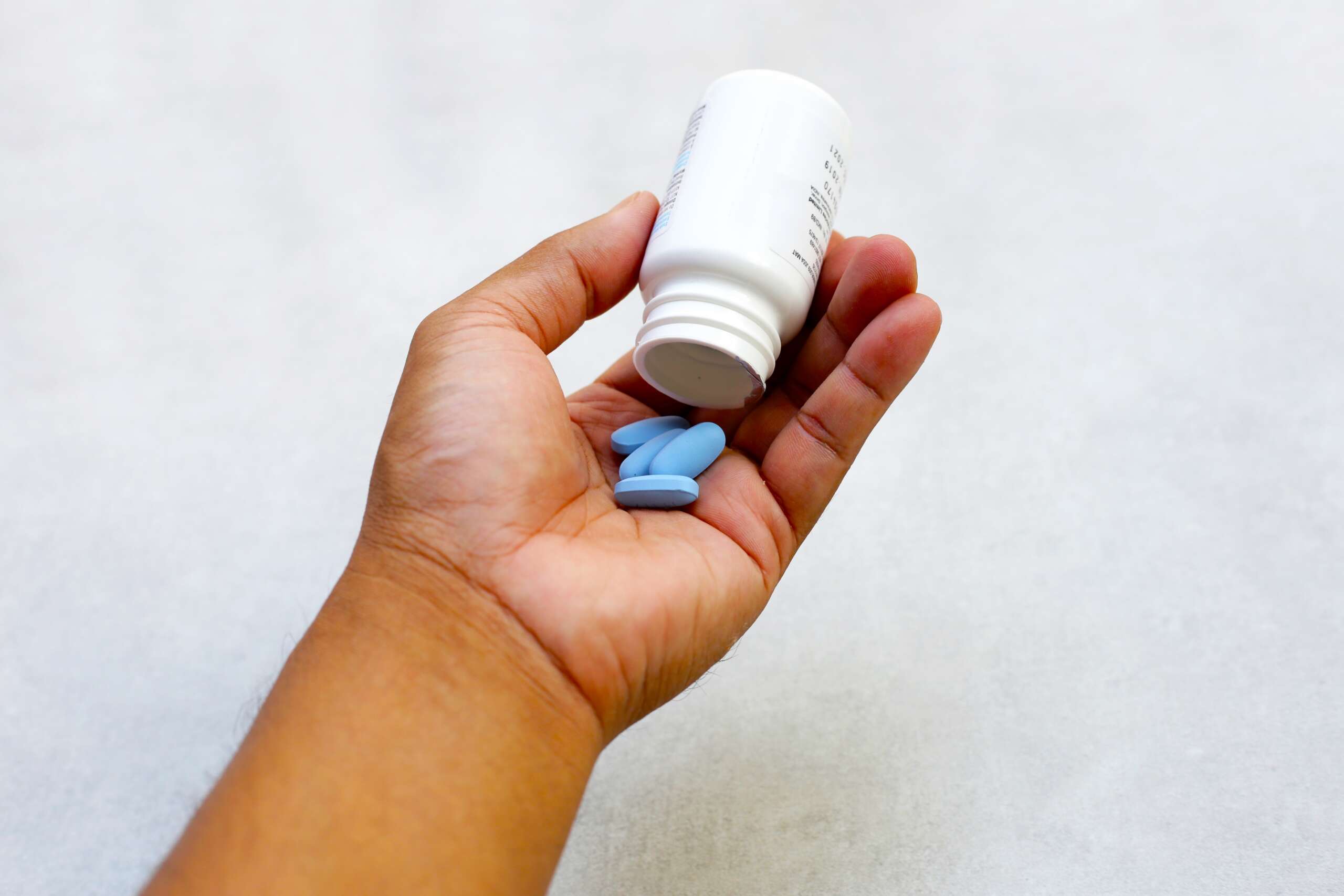

Decades ago, when I first started working in HIV/AIDS, the risk of infection was synonymous with a death threat. Today, we have treatment that allows people with HIV to live long, healthy lives—and we have prevention tools that can stop new infections from happening. Together these tools can help us eradicate HIV in our lifetime.
During this PrEP Aware Week, we work to raise awareness of the pre-exposure prophylaxis medication that actually prevents HIV infection. Safe, effective, available in a daily pill or by injection, it is nothing short of revolutionary. As the New York State AIDS Institute notes: “In a world that still tries to silence, shame, and sideline communities most affected by HIV—we choose something different. We choose peace. We choose power. We choose PrEP … the tool that makes it all possible.”
But in order for HIV to finally be eradicated, we must ensure that everyone who needs HIV prevention and treatment can access it.
PrEP has given us the power to prevent HIV in ways that were once unimaginable, but the people who need it must be able to get it and stay on it. For that to happen, patients need a trusted point of entry into health care; providers who welcome and initiate conversations about sexual health without stigma or judgment; affordable coverage for medication, labs and regular care; and help navigating a health system that can be intimidating, fragmented, even unwelcoming.
The state reports that 60,313 New Yorkers used PrEP in 2024, an increase of more than 18 times over 2014. But stark inequities persist in who is accessing this critical medication. Black and Hispanic New Yorkers accounted for 78.3 percent of new HIV diagnoses statewide in 2024—yet only 20.6 percent of reported PrEP users. Ending HIV means reaching the people placed most at risk, including Black and Latino New Yorkers, especially women of color and young gay and bisexual men.
Those dual realities—PrEP’s extraordinary success and the persistent inequities in who benefits from it—should define the next, and hopefully final, phase of New York’s fight against HIV.
At Amida Care we have learned that health coverage can be an HIV-prevention tool, with HIV prevention integrated into whole-person care rather than treated as a separate intervention. We have seen what becomes possible when Medicaid is designed around the needs of communities most affected by HIV.
New York’s Medicaid HIV Special Needs Plans (SNPs) provide comprehensive, coordinated care for people living with HIV and other eligible members with complex health care needs. Beyond covering medications, SNPs also connect members to a wellness community—one with trusted providers, care coordination, and culturally responsive services that foster open conversations about sexual health, gender identity, mental health and trauma, substance use, HIV testing, PrEP and PEP.
In 2014, SNP eligibility was broadened to include people experiencing homelessness, and in 2017, expanded again to include transgender and gender non-conforming New Yorkers—in both cases, regardless of their HIV status. This was a recognition that other New Yorkers with significant needs could benefit from culturally competent care delivered by SNPs.
It was also grounded in our public health responsibility to do all we can to prevent avoidable HIV transmissions. At Amida Care, the state’s largest SNP, 28 percent of our non-HIV-positive members have utilized PrEP.
Expanding SNP eligibility further—to include HIV-negative Medicaid beneficiaries who are placed at elevated risk of acquiring HIV—is the logical and imperative next step.
Yet even as New York looks to expand access to sexual health and HIV prevention, federal Medicaid cuts threaten to undermine that progress. The 2025 reconciliation law (H.R.1) imposes new work and reporting requirements, more frequent eligibility checks, and funding reductions. The Congressional Budget Office estimates the law will leave 7.5 million more Americans uninsured by 2034.
As the nation’s largest source of health coverage for people with HIV, Medicaid is essential to maintaining access to prevention and treatment. Disruptions in coverage would mean losing access to these lifesaving interventions—the trusted providers who connect patients with HIV testing, treatment, and PrEP—putting our progress toward ending the epidemic at risk.
This PrEP Aware Week, let’s celebrate this revolutionary prevention option—and recognize the need for a health system in which everyone who could benefit from PrEP can actually obtain it and use it successfully.
New York has demonstrated what sustained public investment, Medicaid, community providers and innovative models of care can accomplish. The next phase should be about closing the gaps—especially for Black and Latino New Yorkers, women, LGBTQ+ people and others who continue to experience disproportionate HIV risk.
We have something previous generations could only dream of: medications that can prevent HIV infection before it occurs, and effective treatments. Our responsibility now is to eliminate every barrier to accessing culturally competent sexual health services and opening every door to access.
Doug Wirth is the president and CEO of Amida Care.