Share This Article
“After 30 years of organizing and a unanimous City Council vote, the Kingsbridge Armory is finally moving forward with a plan rooted in community priorities,” the author writes. “For the Bronx, this is a historic milestone. For New York City, it should be a model.”

New York’s recent mayoral transition is giving the city a fresh opportunity to reconsider not only what it builds, but also how projects get built and who gets to shape them. As Mayor Zohran Mamdani sets his housing and economic development agenda, he should look no further than the Bronx’s massive Kingsbridge Armory: a public asset that sat empty for three decades amid neighborhood-wide displacement, disinvestment and widening inequality.
Late last year, I stood at City Hall with Councilmember Pierina Sanchez, Congressman Adriano Espaillat, New York City Economic Development Corporation leadership, and dozens of union workers to announce a milestone Bronx residents have organized for across generations, reflecting a hard-won shift in what New York City can be if it chooses to build with communities.
After 30 years of organizing and a unanimous City Council vote, the Kingsbridge Armory is finally moving forward with a plan rooted in community priorities: family-sustaining jobs, small business protections, deep affordability, and environmental standards that match the urgency of this moment. For the Bronx, this is a historic milestone. For New York City, it should be a model.
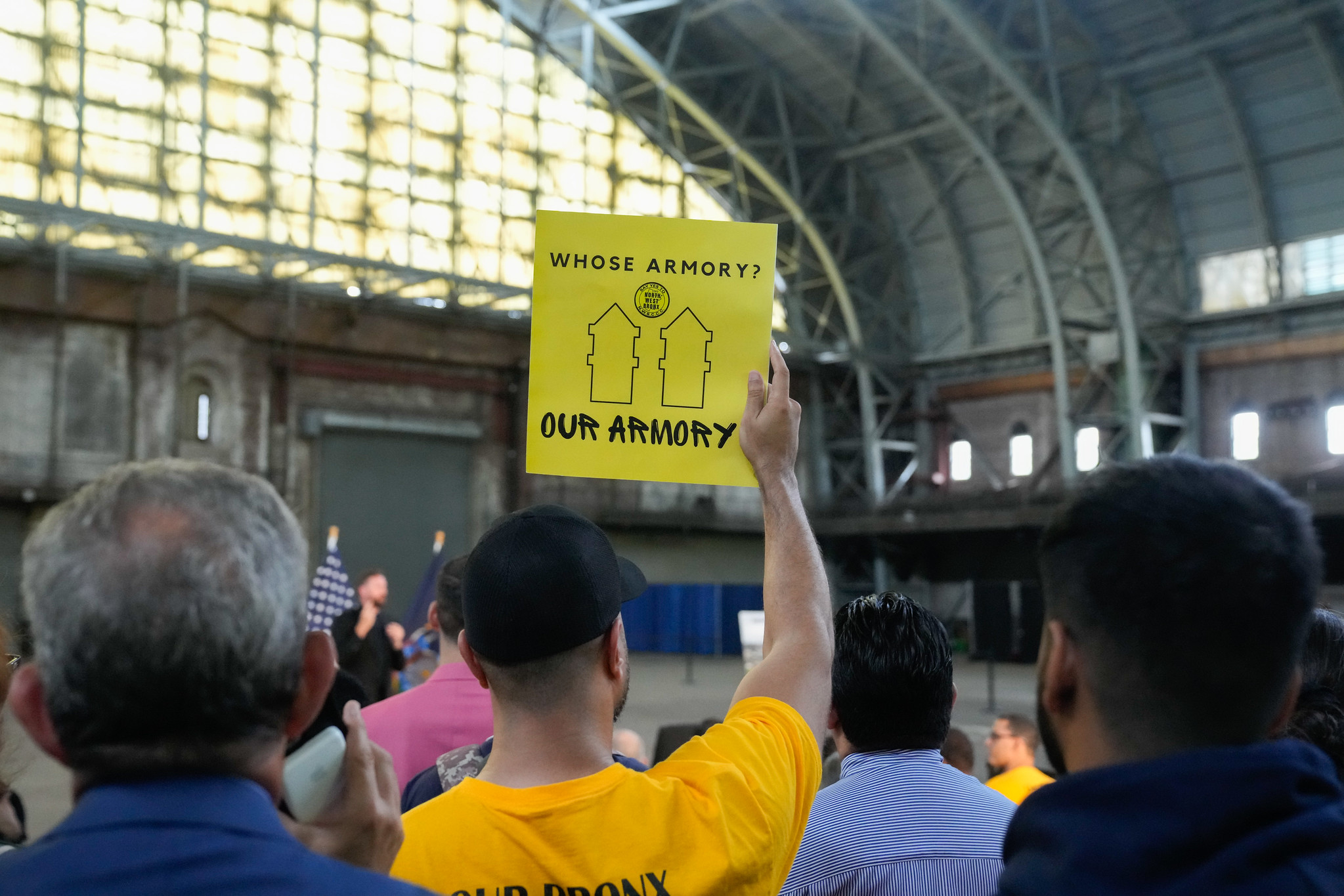
What makes Kingsbridge different is not simply the scale of the building, but the scale of the community leadership behind it. From the very first day of planning, my organization, the Northwest Bronx Community and Clergy Coalition, organized to ensure that the Armory redevelopment reflects the needs and leverages the assets of the people who live and work in Kingsbridge. In 2022, we helped launch and co-lead the Together for Kingsbridge visioning process alongside Councilmember Sanchez and NYCEDC, engaging more than 4,000 Bronx community members over seven months through meetings, surveys and workshops.
People were clear: they wanted a project that prioritized young people, created family-sustaining jobs, built wealth for existing residents, supported local businesses and maximized community ownership. That process, which culminated with the “Together for Kingsbridge” vision plan, produced a community vision that helped set the terms for what the project should be.
But visioning alone is not sufficient. Communities across the city know what it feels like to be asked for input after the major decisions are already made. Once the city selected a developer, we reimagined what it would mean for the community to be more than a stakeholder and instead to be a partner with real leverage. We signed on as a development partner and brokered an unprecedented agreement to take an ownership stake in the Armory, securing upfront commitments to community space, affordable commercial and manufacturing space, and family-sustaining jobs.
The partnership worked both ways. While this agreement amounts to major wins for the community, it also strengthens the project’s ability to succeed. NWBCCC brought aligned funders and mission-driven capital to the table. We also initiated the process to identify commercial and community tenants who can thrive at the Armory, and we brokered critical conversations between the developer, community leaders, and key decision-makers. We didn’t just fight back against out-of-touch or ill-conceived ideas for the Armory—we fought forward as partners, helping shape a project that can actually deliver.
We also organized to ensure the project will be built with union labor through a Project Labor Agreement, because public assets should not be developed on the backs of underpaid workers.
And then, the night before the historic City Council vote, our coalition landed one of the most important safeguards of the project: a signed Community Benefits Agreement. That hallmark, legally-binding agreement not only enshrines our community priorities into the blueprint for the Armory; it establishes expectations for accountability and transparency so the commitments can be tracked, enforced and protected over time. After months of negotiating the agreement and years of community organizing, the plan for the Armory’s redevelopment is one that we can be proud of.
This is what community power looks like—aligning stakeholders, raising mission-aligned capital, and advancing a new model for development that actually gets projects built.
The Kingsbridge Armory will unlock opportunities for generations of Bronxites. It can create real pathways for young people, anchor local entrepreneurship, and reinvest wealth back into the community that kept this vision alive. New York City has a choice to make in the new administration: it can continue the old pattern of top-down development that fuels displacement and distrust, or it can adopt the Kingsbridge model where communities are engaged early and meaningfully, and able to own and govern the future being built in their backyards.
Let Kingsbridge be a lesson to the city, the state, and the developers working in our neighborhoods: real community partnership is how progress becomes real and how it lasts.
Sandra Lobo is the executive director of the Northwest Bronx Community and Clergy Coalition.