


Share This Article
After four children had elevated levels of lead in their blood, NYCHA tested all the childcare centers in its buildings built before 1978, when lead paint was banned—and most were positive for the toxic metal. The housing authority now plans to abate nearly 60 such sites this fall.
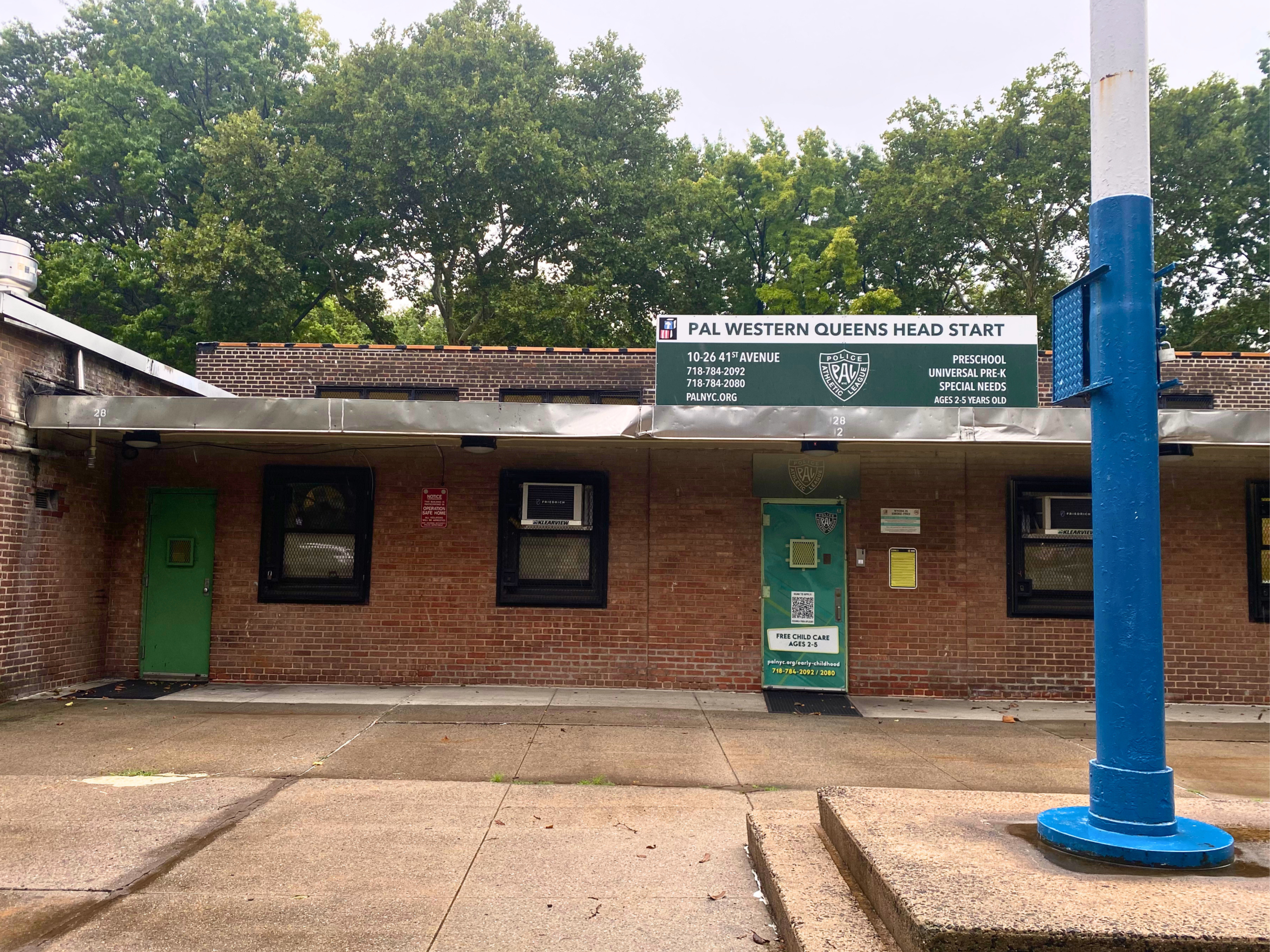
Lead paint poisons thousands of the city’s children each year, despite its national ban in 1978.
More than 4,650 New York City children younger than 6 had elevated levels of lead in their blood in 2024, according to the city’s most recent lead poisoning data. And the issue persists: a 5-year-old autistic boy was diagnosed with severe lead poisoning in January that’s suspected to have come from unabated lead paint in his classroom.
Paint is the most common source of lead poisoning in children. Most of the city’s residential buildings, including public housing developments owned and operated by the New York City Housing Authority (NYCHA), were built before city and national bans on lead paint, and are presumed to have it.
City officials and health experts say it isn’t hazardous unless the paint is damaged, scratched, or peeling, but warn that even small abrasions can release toxic lead dust capable of endangering children because of their age-typical behaviors, like putting objects in their mouths.
NYCHA is on track to remove lead paint from apartments and common areas built before the national ban, something it’s required to complete by 2039 under an ongoing federal monitorship.
But lead exposure has continued to be an issue in recent years for some children who attend childcare centers in aging NYCHA buildings. For the first time this spring, the housing authority completed testing at all 75 of its childcare sites built before 1978—and found that most were positive for the toxic metal.
City Limits is looking to speak with NYCHA parents or caregivers whose children have tested positive for elevated lead levels. To share your story, email NYCHA Communities Reporter Sunny Nagpaul: [email protected]
The testing was scheduled after four kids who attend these centers—where at least half the children enrolled must live in public housing—reported elevated blood lead levels (EBLL) in 2024, a particularly high number compared to prior years. The federal monitor then advised NYCHA to develop a plan to check and abate all such centers.
So far, the tests identified six cases of children with elevated blood lead levels who attended childcare centers on NYCHA campuses, including the four reported in 2024. The most recent was in March. All of those sites have since been abated, as federally required when a child’s bloodwork reveals lead exposure. The remaining centers are regularly inspected for deteriorating paint, officials said.

This fall, NYCHA and the city will pursue an “aggressive” abatement strategy at dozens of its childcare centers, officials announced in late July. The city will invest $10 million for the work, to take place at nearly 60 additional facilities.
“Every child care center in the city needs to be safe, high-quality and hazard-free—New York City children deserve nothing less,” Mayor Zohran Mamdani said in a statement about the plan.
A $10 million abatement plan
During a merely three-month span in 2024, four children in three childcare centers on NYCHA campuses had EBLLs, according to a federal monitor report. That compares to only three such cases reported across all childcare centers on NYCHA campuses in 2022 and 2023 combined.
That higher-than-average year prompted the federal monitor to ask the housing authority to test pre-1978 built centers for the presence of lead paint, and abate the positive ones.
In December 2025, NYCHA began that work using X-ray fluorescence testing (XRF), often considered the industry gold standard. Tests concluded this spring, and found that 69 centers were positive, and six were negative for containing lead paint.
While NYCHA is the landlord, the sites are managed and overseen by a variety of service providers and city agencies. “Test results were promptly and transparently communicated to each daycare center service provider for distribution to parents and guardians,” a housing authority spokesperson said.
Of the positive centers, 10 have been abated so far. Of those, abatement was required by federal rules at six, because children there had elevated blood lead levels. The remaining 59 positive centers will be abated this fall, according to the plan NYCHA and the city released last month.
Currently, there are no reports of children with elevated lead blood levels at NYCHA childcare centers, according to a NYCHA spokesperson, and no unremediated lead paint hazards have been identified.
Lead exposure is primarily measured through blood tests, and health experts say that there are no safe levels of lead in blood. Even low amounts of the metal—which settles in bones and teeth, where it remains stored and slowly released for decades—negatively affects children.
NYCHA’s lead abatement program is administered by its Healthy Homes division, and the work is carried out by a NYCHA contractor, a spokesperson for the housing authority told City Limits.
Wherever feasible, NYCHA will use full paint removal or component replacement methods for lead abatements, the spokesperson said. If those approaches aren’t feasible for the space, NYCHA will use alternative abatement procedures approved by federal requirements.
The Mamdani administration has budgeted $10.2 million for the childcare center abatements, part of an overall $195 million investment in fiscal year 2027 to test and abate NYCHA buildings across the city.
A history of non-compliance
Like all public housing authorities, NYCHA must adhere to strict federal regulations requiring lead paint inspections and abatements—but it has a murky past when it comes to meeting them.
A 2018 federal investigation found that the housing authority falsely certified its compliance with federal lead paint safety regulations for years. NYCHA failed to perform visual assessments of apartments for lead paint hazards—as required—from 2012 to 2016, investigators found, and intentionally deceived U.S. Department of Housing and Urban Development (HUD) inspectors.
That investigation prompted NYCHA to agree to a 20-year plan, outlined in the 2019 monitorship it signed with HUD, which requires the housing authority to test and abate 50 percent of its apartments and common areas within 10 years, 75 percent within 15 years, and all of them by 2039.
So far, NYCHA is on track with those commitments: testing is complete at 97 percent of its apartments, and teams are abating at a rate of 300 to 400 apartments each month. In total, the housing authority has so far abated more than 20,000 of 177,565 housing units.
“Following the signing of the 2019 HUD Agreement, we began building a best-in-class lead program with one goal: creating lead-free homes for NYCHA families,” said Lisa Bova-Hiatt, the CEO of the housing authority, in a statement last month.
While the number of children under 6 in the city with elevated levels of lead in their blood is down 93 percent from 2005 to 2023, exposure persists.
Between Feb. 1 and April 30 this year, there were two cases of children with elevated blood levels who were living in NYCHA apartments, down from 10 and 8 cases during the same period in 2024 and 2025, respectively.
A majority, or 76 percent of all city buildings, are presumed to have lead paint. As are nearly 80 percent of the city’s 335 public housing developments.
Once marketed by paint companies as “invaluable in assuring comfort and proper sanitation,” lead paint was nationally banned after mounting evidence proved lead poisoning can lead to severe health issues, like kidney disease, cognitive impairment and behavioral delays.
Children who live in low-income households, and those who live in housing built before 1978, are at greatest risk of lead exposure, according to the Centers for Disease Control and Prevention.
Children younger than 6 are especially at risk because of age-typical behaviors, like putting hands or other objects in their mouths, and because their bodies can absorb much more of the metal.
Learn more about lead paint exposure and testing information for children at the city’s Lead Free NYC website here.
To reach the reporter behind this story, contact [email protected]. To reach the editor, contact [email protected]
Want to republish this story? Find City Limits’ reprint policy here.
1 Comment
David
You have to be kidding? We’ve known about the dangers of lead paint for over 15 years and they just doing this now?