


Share This Article
“As longtime homeownership advocates, we see everyday how exorbitant rents prevent aspiring homeowners from saving for a down payment, keeping the goal of ownership just out of reach for thousands of New Yorkers.”
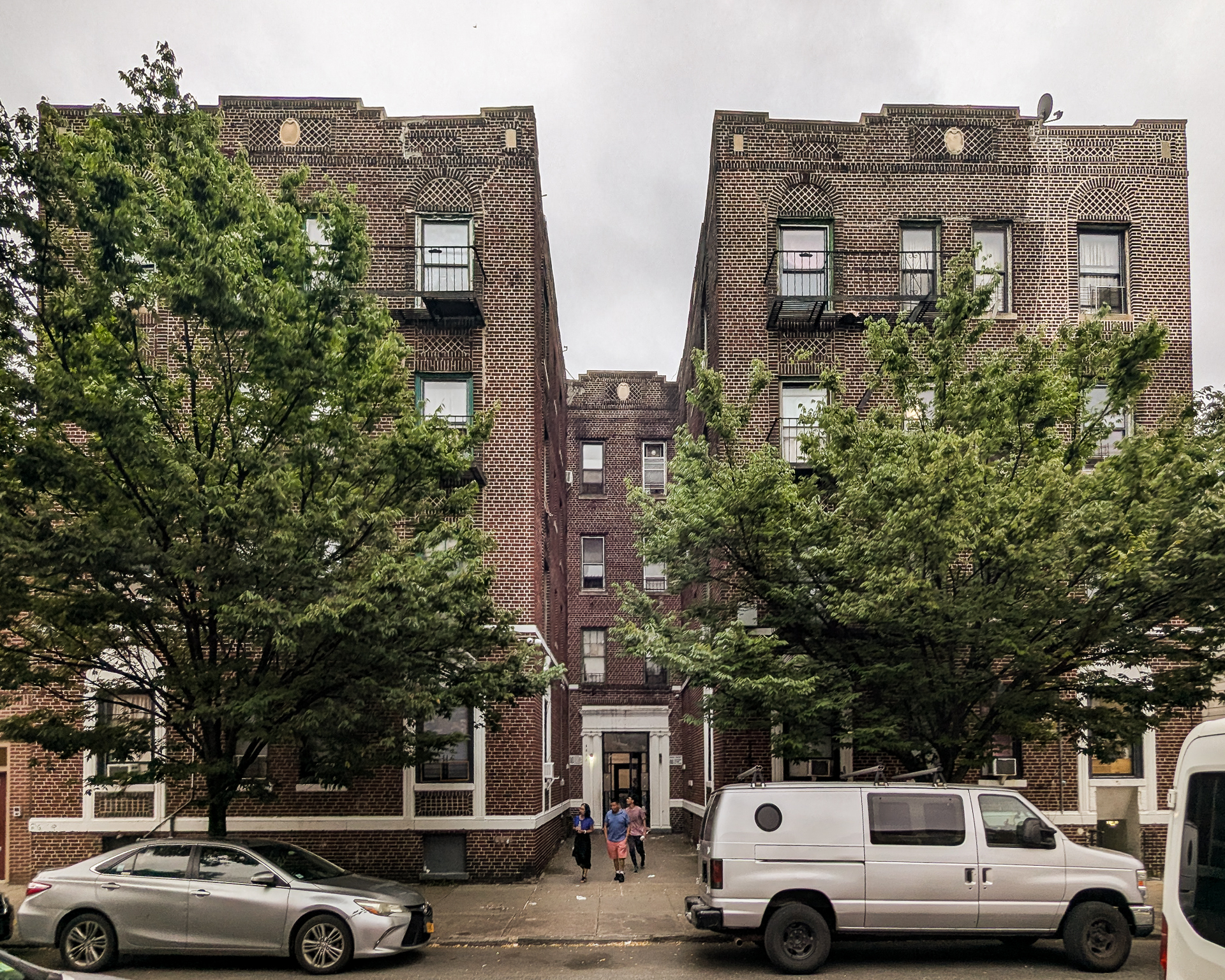

Luis has lived in his Queens apartment for roughly 30 years. Like all New Yorkers, he has the right to safe and habitable living conditions—but his landlord’s failure to maintain the building is denying him that basic human right.
Luis watched his child suffer when paint chips fell from the walls onto the floor, creating a choking hazard for his 5-year-old. Leaks have caused the kitchen cabinets to rot. In the middle of winter, his family went two weeks without heat and hot water, which also contributed to his child becoming seriously ill.
Luis and his neighbors have also endured broken elevators, rat infestations, broken security cameras and intercoms, and crumbling walls and ceilings. When the repairs are made they are often done poorly. When they aren’t made, tenants are left to live with the consequences. After years of dangerous conditions, Luis sued his landlord to get relief.
His family’s experience is all too common, as our unprecedented affordable housing crisis leads to crumbling apartments and skyrocketing rents. Today, more than a third of New Yorkers are rent burdened, and roughly half of rent-stabilized tenants are rent burdened. In some parts of the city, median asking rents have climbed above $5,000 a month.
As longtime homeownership advocates, we see everyday how exorbitant rents prevent aspiring homeowners from saving for a down payment, keeping the goal of ownership just out of reach for thousands of New Yorkers.
For decades, these increasing costs have been driven by predatory landlords and speculative investors who have bought buildings to maximize profits and generate large returns—sometimes by raising rents, displacing tenants, or allowing properties to deteriorate while waiting for an opportunity to cash out.
In order to drive down the high rents, City Hall has rightly focused on the need to build more housing. But New York City must also preserve and protect the affordable homes that New Yorkers like Luis, his family and their neighbors already have. And we need tools that allow us to do just that, and at the scale the housing crisis demands.
That is why the Community Opportunity to Purchase Act (COPA), a critical piece of legislation currently before the City Council, matters and is urgently needed.
In New York City today, community-based preservation organizations are often unable to compete with deep-pocketed investors, who move quickly through a housing market that lacks transparency and rewards cash purchasers. COPA would give vetted nonprofit organizations and joint ventures led by those nonprofits a first opportunity to purchase certain at-risk multifamily properties when their owners choose to sell.
The COPA legislation is carefully tailored to match buildings in need with mission-driven stewards: it applies to multifamily buildings with four or more units where expiring affordability restrictions or hazardous building conditions put tenants at particular risk of displacement or rent increases. The exemptions are extensive—buildings with fewer than four rental units, owner occupied buildings with five or fewer units, vacant lots, certain family transfers, inherited properties and more.
COPA provides a potential pathway to homeownership for thousands of New Yorkers. Vetted nonprofit buyers, many of which are experienced in sponsoring coop conversions, can partner with tenants to convert their buildings into coops, community land trusts, or other models of community ownership.
COPA preserves an owner’s right to sell while also giving community-based and mission-driven housing preservation organizations a fair opportunity to buy distressed buildings in order to provide safe and habitable conditions.
Furthermore, responsible safeguards are built into COPA to ensure community impact: the Department of Housing Preservation and Development (HPD) would certify qualified entities, which must demonstrate financial capacity and a commitment to preserving affordable housing.
COPA is a product of extensive public input, industry expertise and compromise, and the legislation reflects more than five years of City Council deliberation. More than 200 affordable housing developers, community land trusts, tenant associations and community development lenders support it and are prepared to ensure it delivers the public purpose of sustainable, affordable housing it promises.
Luis should not have to spend years fighting simply to ensure that his home has heat, hot water, functioning elevators and safe walls and ceilings. And his family should not have to worry that the place they have called home for three decades could become unlivable.
Their story is a reminder that the housing crisis is not just about how much we build. It is about whether all New Yorkers can afford to stay in safe and habitable homes and communities. For families like theirs, we urge the City Council to pass COPA.
Lynn Schulman is a member of the NYC Council representing District 29 in Queens. Christie Peale is CEO and executive director at the Center for NYC Neighborhoods.