


Share This Article
Supporters of the legislation say the state’s funding policy for domestic violence shelters incentivizes the placement of families with children, making it harder for adults without kids to access beds.
In May, New York State’s Legislature passed a bill that supporters say would make it easier for domestic violence survivors without children to access city homeless shelters—and now, they’re pressing Gov. Kathy Hochul to sign it before the end of the year.
The Securing Access to Fair & Equal (SAFE) Shelter Act would reform how the city funds domestic violence shelters, ensuring that providers get the same reimbursement rate for a double room even if they just place one person in it.
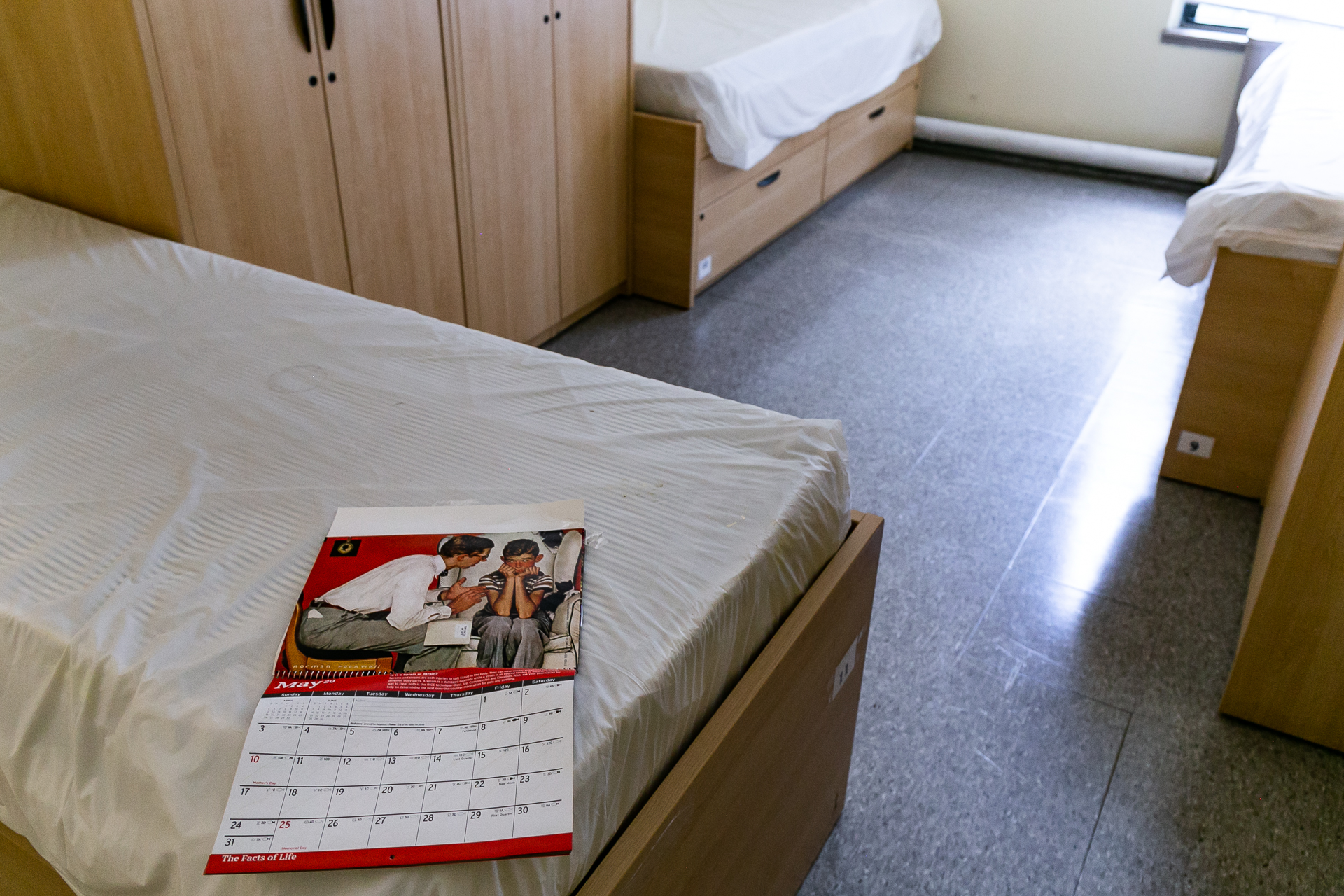
Advocates say most domestic violence shelters are designed for families, and consist largely of rooms with two beds or more. But if an operator places one person in a room designed for two, they get reimbursed for one bed—incentivizing shelter providers, some of which operate on thin financial margins, to prioritize placements for families instead.
That means survivors without kids can be shut out even when beds are available. Advocates say this can force people to remain in unsafe or unstable homes longer, or to enter the larger, general city shelter system where facilities often fail to offer the same level of services as sites designed specifically to support people dealing with domestic abuse.
“Single adult survivors seeking shelter have been told to wait, to call back, to try again later, even if they were in grave danger,” Michael Polenberg, vice president for government affairs at Safe Horizon, said at a press conference on the steps of City Hall last week.
The organization staffs the city’s 24-hour domestic violence hotline, where single adults accounted for 50 percent of callers seeking shelter last year, but only 17 percent of whom were ultimately placed in a bed. By comparison, Safe Horizon says families of two—typically a mother and child—made up just 20 percent of calls to its hotline about shelter, but had a much higher placement rate, at nearly 70 percent.
Advocates say the funding formula makes it particularly hard for certain groups, including LGBTQ+ people, older adults and men.
“The problem has only been getting worse year after year,” Safe Horizon CEO Linda Roberts said.
State lawmakers have tried to pass some version of the SAFE Shelter Act since 2017. Both houses of the legislature approved it during the 2023-2024 session, but Gov. Kathy Hochul vetoed it. At the time, she said that reimbursing providers for a double room with just one person in it “does not maximize state resources and could inadvertently result in a decrease in services,” according to a memo published by news site New York Focus.
The version of the bill that was approved by lawmakers again in May, sponsored by State Sen. Andrew Gounardes and State Assemblymember Andrew Hevesi, included changes.
It would phase in the reimbursement rate increase over a series of three years for shelters with more than 10 beds, and push back the start of the policy more generally until April, giving the state time to allocate funding for it in this year’s budget negotiations (a spending plan is due by April 1).
“The previous concerns raised—which were legitimate—were that under previous iterations of this bill shelters would be fully reimbursed for this deferential automatically, right away,” Hevesi, who chairs the Assembly’s Committee on Children & Families, said in a statement.
A spokesperson for Hochul told City Limits she will review the legislation.
“Governor Hochul has made protecting and uplifting survivors of domestic violence and sexual assault a key priority for her administration and has secured landmark legislation and funding to enhance protections and hold offenders accountable,” Spokesperson Nicolette Simmonds said in a statement.
Domestic violence is a leading cause of homelessness in New York City. During the most recent fiscal year that ended in June, more than 3,400 individuals per day spent time in a domestic violence shelter, according to the Mayor’s Management Report.
New York City’s Domestic Violence Hotline is available 24 hours a day at 1-800-621-HOPE. More resources can be found here.
To reach the editor, contact [email protected]/ Want to republish this story? Find City Limits’ reprint policy here.