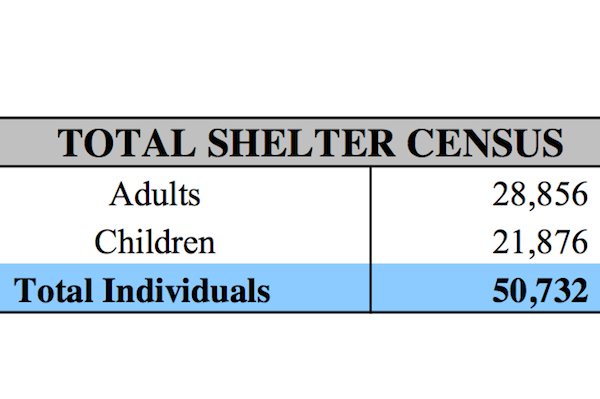
Only one in four survey respondents approve of the mayor’s handling of homelessness, even though most say they haven’t seen an increase in homelessness under the mayor.
Informal homes for people with substance abuse problems or re-entering society after a stint in prison often violate the building code and tenants’ rights. But tenants prefer them to the street.
Organizations say contracting reforms by the Bloomberg administration have made it harder for them to compete for funds. But management problems have also hampered their efforts.
One candidate has his own housing plan. The other has endorsed a coalition’s blueprint. But whoever wins is going to be pressed to address the specific housing needs of aging New Yorkers.
How a gay 25-year old named Ritchie Torres won a City Council race in New York’s “Bible Belt”—and what it means that a real-estate PAC backed his quest.
By limiting enrollment—and therefore eliminating the schools’ commitment to accept all neighborhood kids who wanted to come—DOE says it will improve students’ options.
The developer has pushed back for a second time the formal start of construction on a new railyard, raising new questions about the timeline for promised housing.
A newly released final list of candidates for the general election shows that several Council members face no competition at all, while many more are against only third-party rivals.