


Share This Article
“Immigrant survivors face intertwined vulnerability—either the gender and sexual violence they escaped in their home countries or the intimate partner violence happening at home in the United States.”

From day one of Trump’s second term, the federal government began dismantling key protections that immigrant survivors have counted on to seek domestic violence support, immigration relief, and other services without fear the government would victimize them further with arrest or deportation.
This week with both National Immigrants Day and Domestic Violence Awareness Month, immigrant survivors and their advocates want to put into stark relief that escaping violence or coercion at the hands of intimate partners or family is far from the only hurdle to reaching security. Under Trump 2.0, the U.S. government is now the ultimate abuser.
As two directors from a leading civil legal services provider, we have collectively served thousands of clients who faced both domestic violence and the immigration system. Immigrant survivors face intertwined vulnerability—either the gender and sexual violence they escaped in their home countries or the intimate partner violence happening at home in the United States.
Under previous administrations, the United States afforded certain protections for noncitizens experiencing domestic violence within the U.S. and provided a safe haven for those fleeing domestic and gender-based violence abroad. While the system was far from perfect, the current administration’s combination of rollbacks of critical protections and ramped up immigration enforcement is a crisis for immigrant survivors.
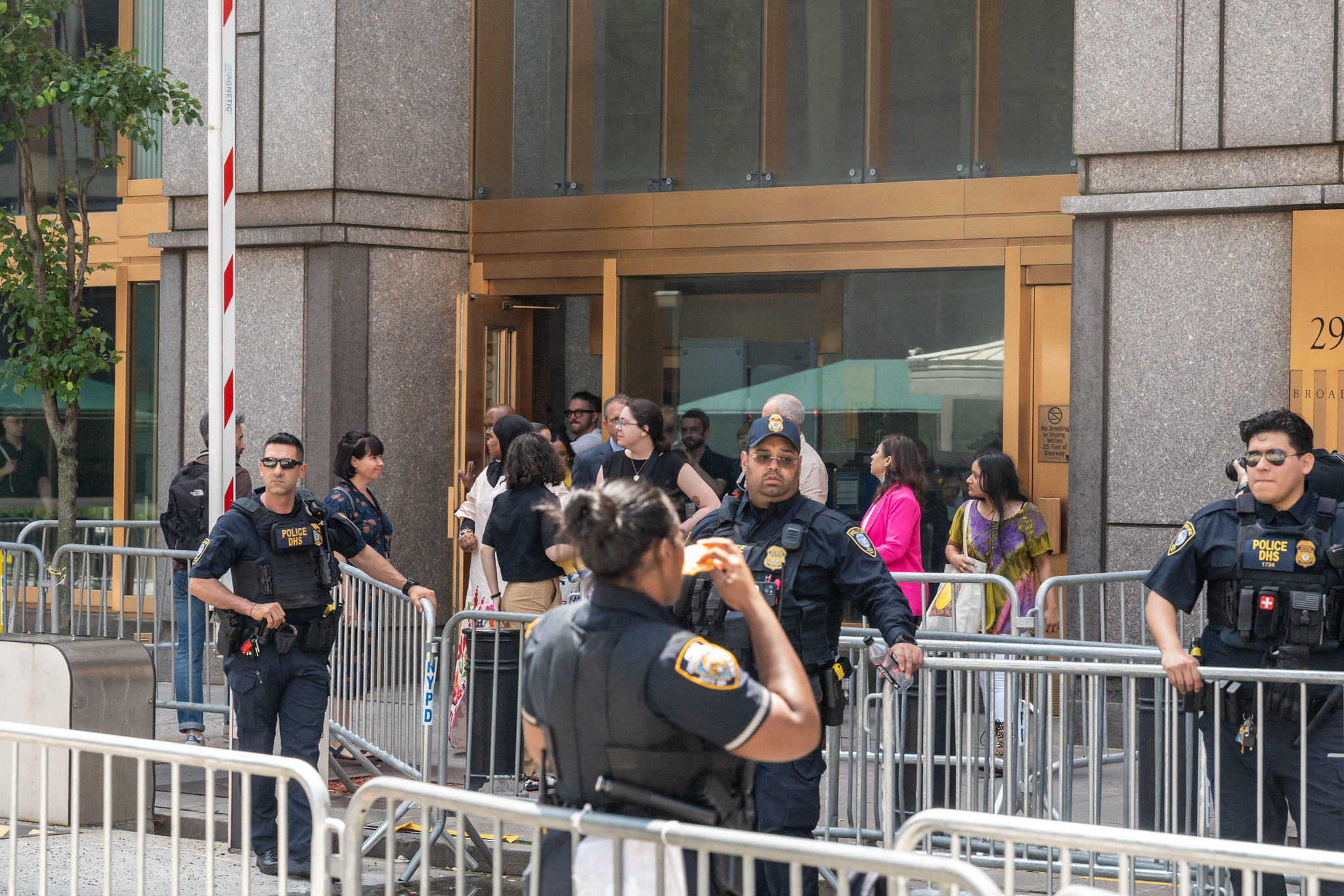
On inauguration day, Trump’s Department of Homeland Security (DHS) rescinded guidelines preventing immigration enforcement arrests at “sensitive locations,” including domestic violence shelters, hospitals, and courthouses. Survivors questioned if it was safe to seek orders of protection, medical care, or shelter services.
In New York City where we serve clients, masked agents began physically restraining women, roughly handling pregnant women, and warehousing people in inadequate conditions in immigration courthouses. These incidents are horrifying, considering ICE recruited dozens of new agents with histories of domestic violence and other crimes during its recent hiring expansion.
Our attorneys who show up at immigration courts daily witnessed the chilling effect these arrests caused as immigrants must weigh the impossible: continuing their immigration case versus deportation back to an unsafe place. In a survey last year, 70 percent of attorneys and advocates for immigrant survivors reported that their clients were concerned about going to court for matters related to domestic violence protections. The Alliance for Immigrant Survivors found 50 percent of immigrant survivors abandon legal action because they fear ICE detaining them in court.
Within roughly the first week of Trump taking office, DHS stripped key protections granted to immigrant survivors of domestic violence, human trafficking and other crimes under the Violence Against Women Act (VAWA), which prevented immigration authorities from arresting, detaining, and deporting crime victims for decades.
Among the changes are more stringent requirements for survivors to provide documentation of abuse—evidence many survivors don’t have. Access to special visas granted to crime victims under VAWA, so that prosecutors can more easily pursue domestic violence or trafficking cases, are already restricted, putting thousands of immigrant survivors at risk. And if followed, Project 2025’s blueprint for the Trump agenda calls to eliminate these special visas completely.
ICE partnerships with local law enforcement further endanger immigrant survivors because calling 911 for domestic violence has led to more immigrant victims being detained. With law enforcement now deputized as immigration enforcement and incentivized to aid federal agents in deportations and arrests, ICE handed abusers a potent tool of coercion and control: the threat of deportation.
Many immigrant survivors face obstacles in safely separating from their abuser because they are forced to rely on their partner legally and financially, especially if their partner is their U.S. citizen sponsor supporting their application for a green card or legal permanent residence. Their ability to have work authorization and work lawfully is also tied to these proceedings. Making the problem worse, the Supreme Court effectively ended Temporary Protected Status and DHS proposed a policy change, both drastically limiting immigrants’ access to employment authorization.
Trump’s “Big Beautiful Bill” also unleashed a torrent of attacks on access to public benefits, including revoking SNAP, Medicaid, and Children’s Health Insurance Program eligibility for survivors of domestic violence and human trafficking. The Congressional Budget Office estimates that 90,000 people will lose SNAP food assistance benefits. Most advocates agree: “most domestic violence victims rely on SNAP to help address their basic needs and to establish safety and stability.” Trump’s proposed 2027 budget promises even more cuts, including $14 million for transitional housing and $15 million for legal assistance programs.
The Trump administration is further threatening immigrant survivors’ independence with an unlawful new “public charge” rule that will deny lawful permanent resident status if they or their children receive public benefits. Confusion surrounding which benefits might qualify—now or in the future—discourages immigrant survivors from seeking benefits they might otherwise use on their path to personal stability.
Even more cruelly, Trump’s Department of Justice ended exceptions for federal assistance previously designated as necessary for the “protection of life or safety,” which included federally-funded community-based organizations providing domestic violence and homeless services. Without these supports for basic necessities and financial independence, safety and security is dwindling under Trump 2.0.
Amid this backdrop of aggressive immigration enforcement and benefits restrictions, the demand for immigration and domestic violence legal and support services are higher than ever. In addition to calling on national elected leaders to rein in immigration enforcement and restore federal funding for public benefits, we must boost funds for the nonprofits stepping up to help fill the gaps.
Because every day, advocates like us will show up, fight against those who wield their power unjustly, and empower people to chart their own path toward safety, stability and independence.
Alet Haywood is director of New York Legal Assistance Group (NYLAG)‘s Domestic Violence Law Unit and co-director of the Domestic Violence Litigation Clinic at St. John’s University School of Law. Melissa Chua is director of NYLAG’s Immigrant Protection Unit, adjunct professor for the Deportation Defense Clinic at Brooklyn Law School, and transition advisor for New York City Mayor Zohran Mamdani’s Committee on Immigrant Justice.