


Share This Article
“Effective aging policy must recognize that LGBTQ+ older adults often enter later life with different experiences, support systems, and challenges than many of their peers.”
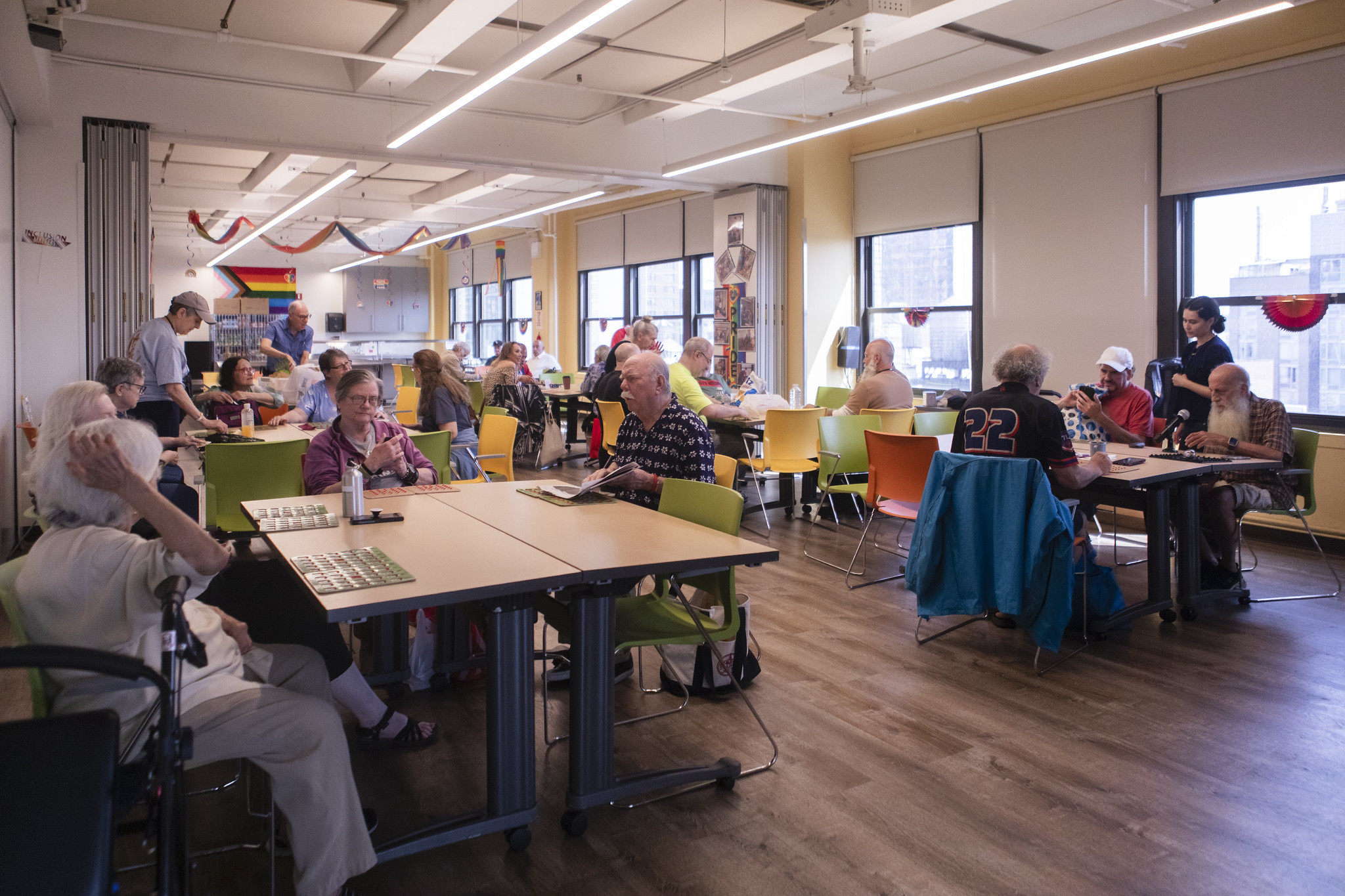

Nearly 1.8 million New Yorkers are over the age of 60, and that number will continue to grow in the years ahead. But not all older adults experience aging in the same way.
For many LGBTQ+ older New Yorkers, growing older means navigating challenges that traditional aging systems were never designed to address. LGBTQ+ older adults are more likely to live alone, less likely to have children, and more likely to rely on paid care, friends, neighbors, and chosen family as they age. Many have lower lifetime earnings, are more likely to be single beneficiaries, and depend heavily on Social Security to meet basic needs.
These realities are the result of decades spent navigating discrimination in housing, healthcare, employment, and public life. Some are long-term survivors of HIV. Others experienced family rejection or spent years building support systems outside traditional family structures.
There is no single path into older age. Understanding people’s histories is essential to understanding their needs.
As we address issues facing older adults—housing, healthcare, caregiving, transportation, and economic security—LGBTQ+ people cannot be an afterthought.
The need for affirming support systems is not theoretical. At SAGE, the world’s largest organization advocating for LGBTQ+ elders, roughly a quarter of the older adults served report having no one to call in an emergency. For many LGBTQ+ older adults, community-based services are their support system. This is why partnerships between government and community organizations matter so deeply.
New York City is addressing these disparities. In 2023, the city established the Commission on LGBTQIA+ Older Adults to better examine their needs. Chaired by the NYC Department for the Aging (NYC Aging), the Commission reflects an important understanding: effective aging policy must recognize that LGBTQ+ older adults often enter later life with different experiences, support systems, and challenges than many of their peers.
Further, to address these needs, NYC Aging makes targeted investments in LGBTQ+ older adult centers and caregiving programs to ensure LGBTQ+ older New Yorkers can access services in environments where they feel respected, understood, and connected.
Across SAGE’s network of centers, funded by NYC Aging, a diverse community of older adults finds support and connections every day. More than 3,000* LGBTQ+ older New Yorkers participate in programs each year. More than 1,100 hot meals are served every week. For many participants, these services provide far more than nutrition. They provide consistency, support, friendship, and a place where people know they belong.
For older LGBTQ+ adults, programs like these fill gaps left by discrimination, family rejection, premature loss, and support systems that never existed in the first place. Government and nonprofit programs are providing the care, connection, and stability that others take for granted.
Long before loneliness and social isolation were recognized as public health concerns, LGBTQ+ communities understood the consequences of disconnection. Their response was practical: strengthen relationships, build support networks, and make sure people were not left to navigate life’s challenges alone.
That determined course remains relevant today.
Healthy aging depends on whether people remain connected to others, whether they have places where they feel welcome and valued, and whether they can find support when they need it. The relationships, organizations, gathering spaces, and caregiving networks that make that possible are as critical to a healthy city as the physical infrastructure.
Many of today’s older LGBTQ+ adults helped build those networks of support. During the AIDS epidemic and through decades of discrimination and exclusion, they created community where isolation had been the norm. They cared for one another when few others would. They built organizations, support systems, and traditions of mutual care that continue to shape lives today.
Those New Yorkers are still here. They are our neighbors, mentors, caregivers, advocates, and community leaders.
We benefit every day from what they built. Our responsibility is not simply to appreciate their contributions. It is to ensure they can age with dignity, connection, and belonging, and that the services, programs, and communities that support them remain strong.
That is what we owe LGBTQ+ older New Yorkers.
Lynn Faria is chief executive officer of SAGE. Dr. Lisa Scott-McKenzie is the commissioner of the New York City Dept. for the Aging.
*After publication this piece was updated to correct the number of LGBTQ+ older New Yorkers who participate in SAGE’s programs; it is 3,000, not 5,000, according to the organization.