


Share This Article
“Rikers is not only a criminal justice crisis. It is also an environmental failure that demands urgency. Closing it is not just about decarceration, it’s about repairing harm, restoring communities, and reimagining our city’s future resilience.”
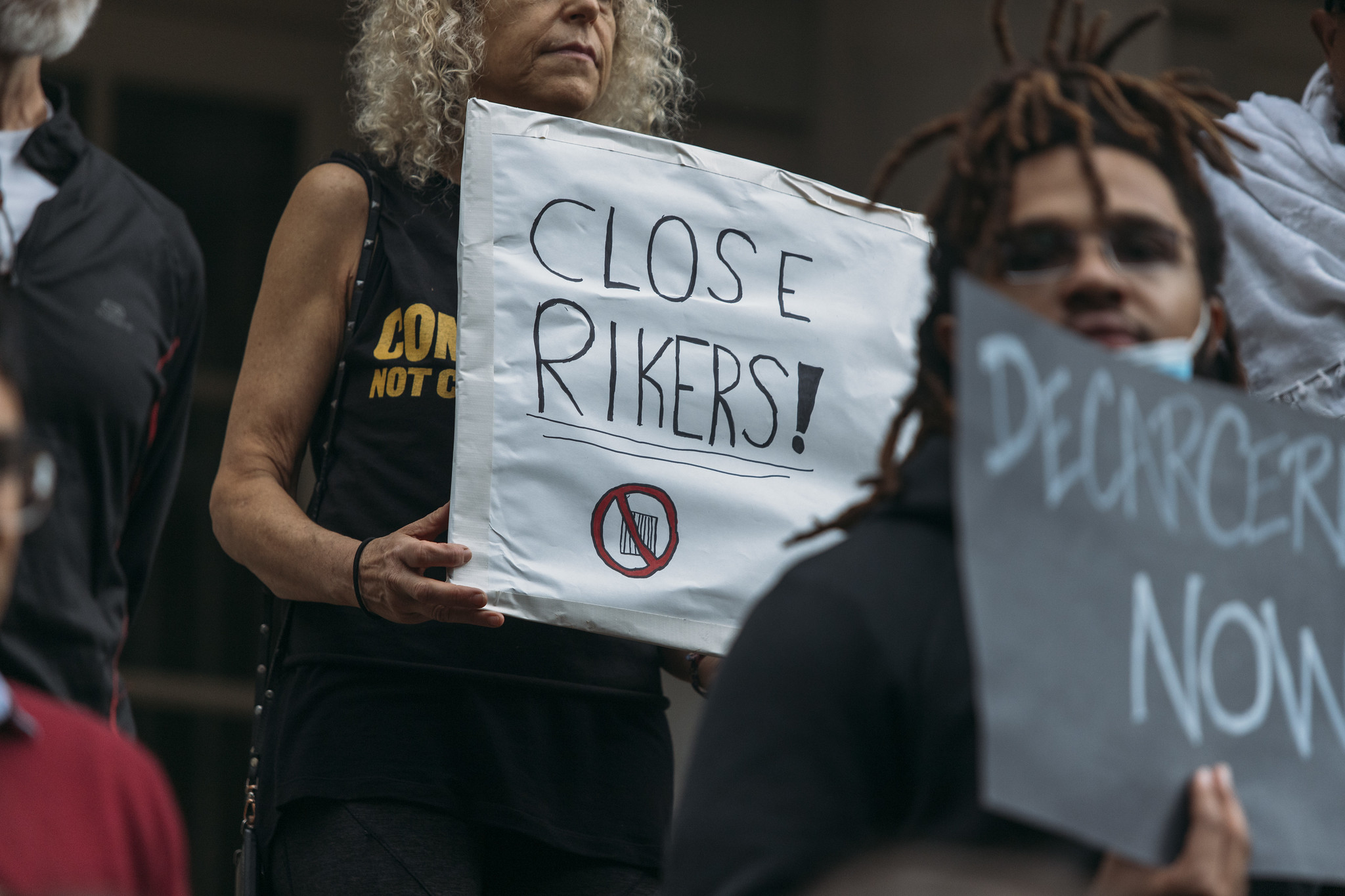

For decades, Rikers Island has symbolized one of New York City’s deepest moral failures: a place where human rights abuses have persisted in plain sight. But Rikers is not only a criminal justice crisis. It is also an environmental failure that demands urgency. Closing it is not just about decarceration, it’s about repairing harm, restoring communities, and reimagining our city’s future resilience.
In 2019, New York City took a historic step. After years of organizing—led mostly by people who survived incarceration and their families—the City Council voted to close the Rikers Island jail complex by August 2027. Two years later, the Renewable Rikers Act set a bold vision: to transform this 400-acre toxic site into a hub for renewable energy, wastewater treatment, and climate resilience.
This vision goes beyond the symbolic and lays a foundation to achieving environmental justice. The same communities most impacted by incarceration—low-income neighborhoods and communities of color—are also burdened by peaker power plants, poor air quality, and polluted water. These are not separate issues. They represent the same injustice of indifference, expressed through alternate systems. Closing Rikers addresses both, and that’s why it was so significant this week to see the administration carry out the first transfers of buildings on Rikers Island since 2021.
Rikers Island sits atop a landfill that emits methane, a potent greenhouse gas. Its aging infrastructure contributes to pollution in surrounding waterways. The Renewable Rikers plan offers a path forward rooted in making our city a healthier place for future generations.
It would convert the island into a clean energy hub with solar arrays, battery storage, and connections to renewable energy sources. It would include a modern wastewater treatment facility to reduce pollution in the East River. It would create space for composting and other regenerative infrastructure essential to a sustainable city. Renewable Rikers is, above all other current proposals, the best future for the island.
Equally important, it rights a wrong that has been generations in the making. The plan calls for training and employing residents from communities most overburdened by pollution, like “Asthma Alley,” with the highest rates of childhood asthma and air pollution in the country.
Unsurprisingly, these communities are also the ones that are often left out of new industries. However, by building a career pipeline for people living in these historically overburdened communities, we can build economic opportunity in the green jobs sector that will power this transition.
Yet today, that promise is at risk. Despite the legal mandate to close Rikers by 2027, the city is falling behind, with delays in building borough-based jails to replace it. Meanwhile, proposals for expanding fossil fuel infrastructure on the island directly contradict the law’s intent and the city’s climate goals.
As the New York City Environmental Justice Alliance outlined in our recent report, “A Reset for Renewable Rikers,” the city must act now to get back on track. That means accelerating the land transfer, and advancing concrete plans for renewable infrastructure, including passing Councilmember Nurse’s bill, Intro 881, which will require the city to produce a masterplan for transitioning the island. It also means maintaining accountability to the communities that fought for this vision in the first place.
The stakes could not be clearer. As long as Rikers remains open, it continues to violate the human rights of New Yorkers. And as long as the island remains a source of pollution and missed opportunity, it perpetuates environmental harm.
Closing Rikers will transform a site of extraction and exploitation into one of restoration and resilience. Shuttering its operations as a jail and implementing the Renewable Rikers vision is about proving that New York City can confront its past while building a just and sustainable future.
We have the law. We have the plan. What we need now is the political will to finish the job.
Eddie Bautista is the executive director of the New York City Environmental Justice Alliance. Sandy Nurse is a member of the NYC Council, representing district 37 in Brooklyn.