


Share This Article
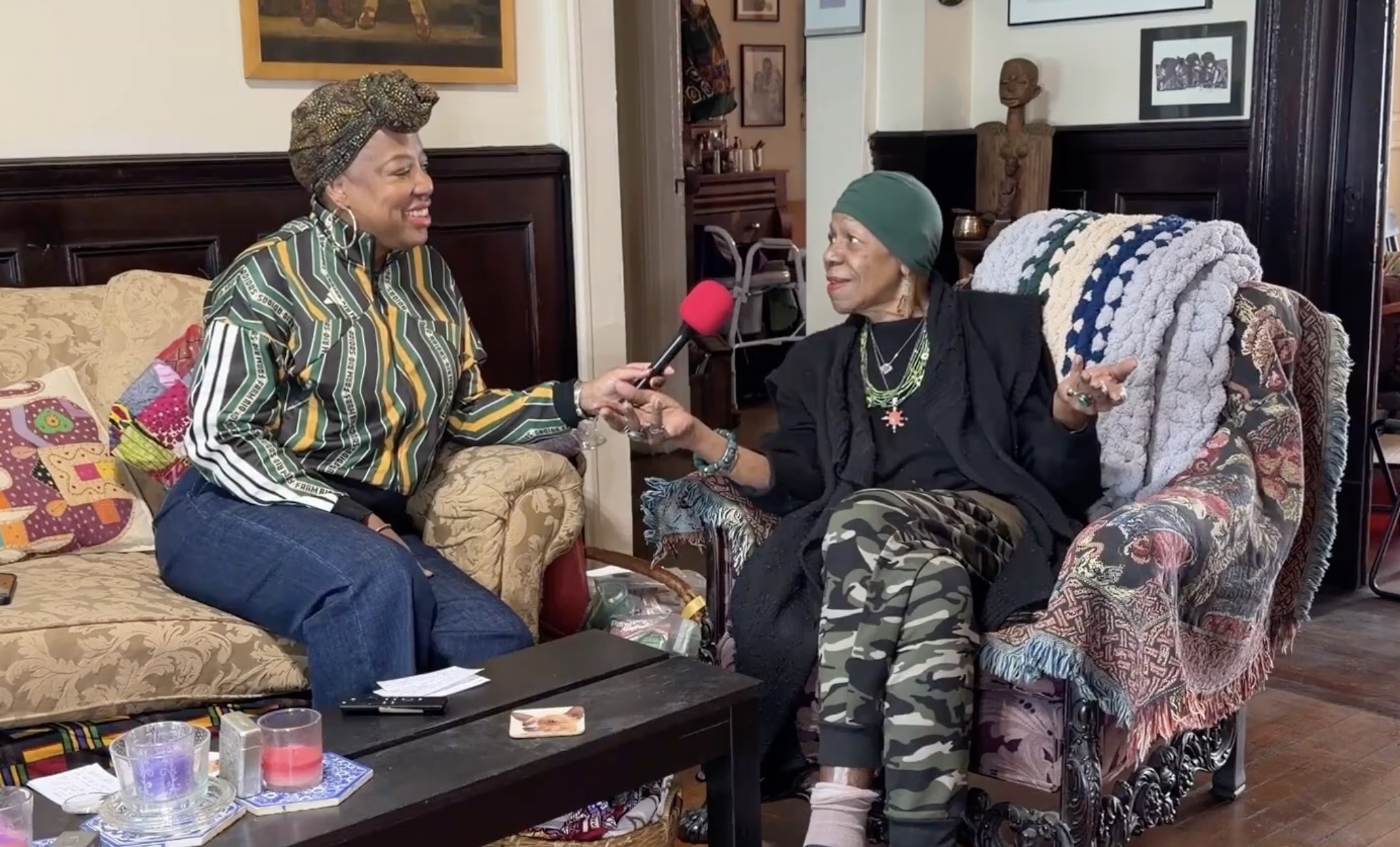
“Come Into My House,” a new video series, explores how everyday New Yorkers create spaces of belonging, joy, and resilience in their communities. The first installment features Marcella Lowery, who played Elvin’s mother Francine Tibideaux on “The Cosby Show” and is known locally as the mayor of 116th Street.
In a city where housing insecurity, crime, and gentrification dominate the headlines, how do everyday New Yorkers create spaces of belonging, joy, and resilience?
“Come Into My House,” a new video series, explores the answers through intimate profiles of New York City residents who’ve transformed both ordinary and extraordinary spaces into refuges of safety, comfort, and community.
At a time when the city’s most vulnerable communities face unprecedented challenges and our social systems often fail to provide the resources communities need to survive, “Come Into My House” will reveal how people use culture, spirituality, memory, and creativity to claim sanctuary, center joy, and maintain a sense of self.
City Limits is launching the series with Marcella Lowery. You may not know her by name, but chances are you know her face, from memorable acting roles that include Elvin’s mother Francine Tibideaux on “The Cosby Show,” Jamal Jenkins’ grandmother on “Ghostwriter,” and Principal Karen Noble on the Saturday morning sitcom “City Guys.”
Video by Mariana De Jesús-Szendrey for City Limits.
What most people may not know: this NAACP Image Award nominee has lived in Harlem for almost 40 years, where she’s organized for tenants rights and lent emotional support to many neighbors as they navigated housing court and eviction. Coined by many as “The Mayor of 116th Street,” Lowery can strike up a conversation with the young man stocking shelves at the local bodega just as easily as she can talk about Cabernets with the managers at The Winery. She doesn’t judge a book by its cover. The Texas native is more interested in your personal story and in the footnotes of what gets you out of bed each day.
When she wasn’t acting, Lowery spends her time quilting, crocheting and making jewelry. Growing up, her grandmother would tell her it’s good to know you can make something with your own hands. This planted a seed early on that having a hobby was more about dignity and self-reliance than it was a simple pastime.
In the years preceding the COVID-19 pandemic, Lowery’s passion for making jewelry grew, and she turned her dining room into a showroom that became a lively gathering space, attracting people from all over New York City and New Jersey for what she called her “Bead Parties.”
“[Women] get so little time to let our hair down, and be social and feel special. You know, stuff just for us, where there’s [not] a price connected to everything,” Lowery remarked during our interview in her pre-war apartment.
More than just an occasion for women to shop, Lowery’s events feel like an old school Tupperware party at a Black southern family reunion where women—the overwhelming majority of whom are usually Black and brown—can forget about their work, the bills and what to make for dinner and just have fun.
To see our interview with Lowery and peep her jewelry and artwork, watch the video above or on City Limits’ YouTube channel here.
To reach the editor, contact [email protected]
Want to republish this story? Find City Limits’ reprint policy here.