


Share This Article
“Maintaining a world-class parks system is a cornerstone of ensuring affordability and quality of life in our city. This year it is imperative that we fund our parks accordingly in the budget.”
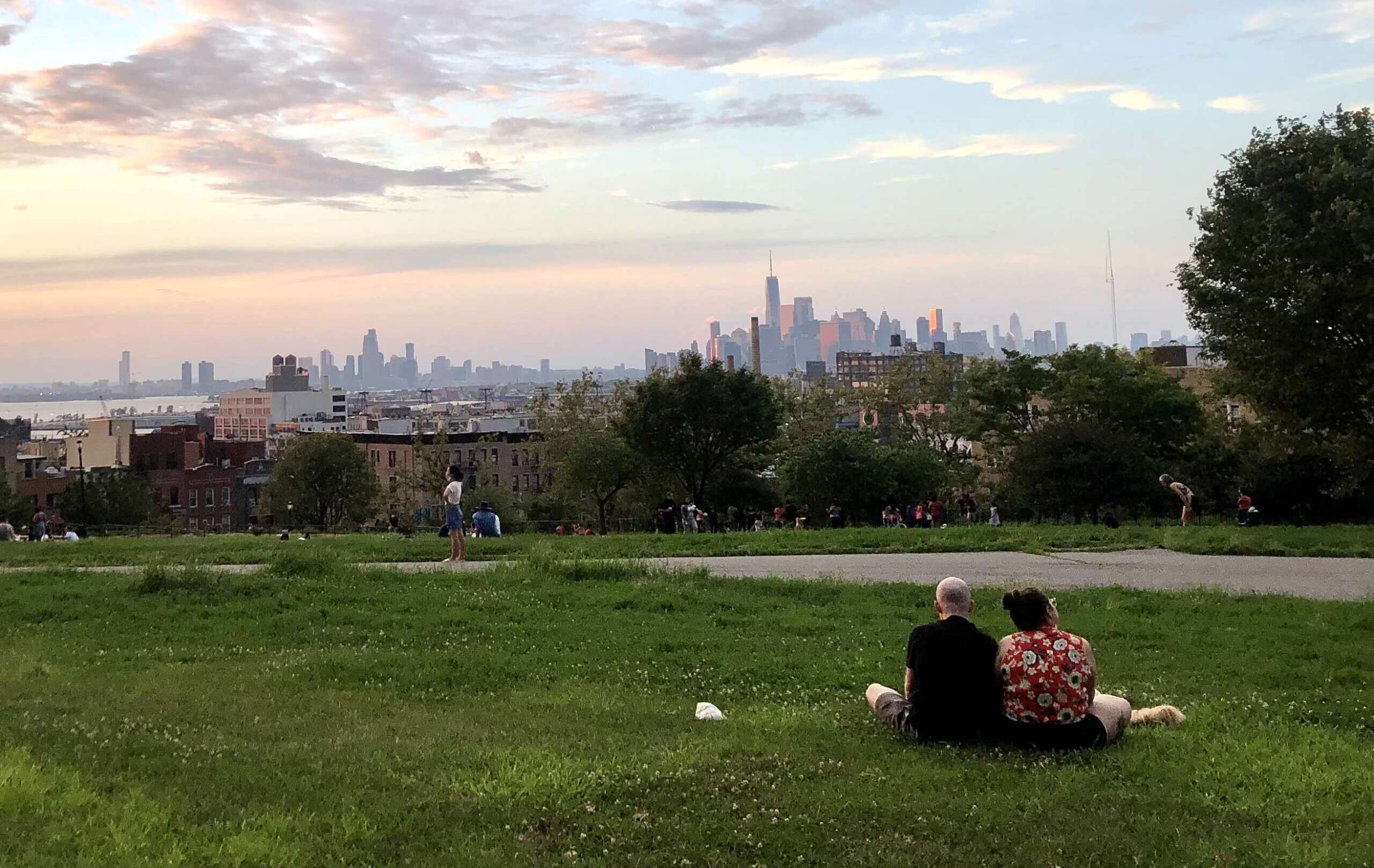

With summer just around the corner, it’s peak beautiful parks season in New York City.
Every year millions of people visit the city’s 30,000-plus acres of open spaces —including ball fields, beaches, recreation centers, playgrounds, and public plazas. Our parks are cherished community spaces for social connection that foster physical and mental well-being.
Yet it’s a painful irony that, in a city where parks are New Yorkers’ backyards, funding for this essential and uniquely affordable infrastructure has been made a political battlefield by previous mayors and City Councils. Consistent lack of leadership, collaboration, and commitment has resulted in a parks system that Mayor Mamdani has described as “neglected and underfunded.”
Meanwhile, the city has steadily slipped down in national rankings for access, equity, and investment. Our parks system fell to 13th nationwide last year, and this week the Trust for Public Land announced that New York City’s position plummeted to number 20, comparing unfavorably to other urban parks systems across the country.
This precipitous decline is a reflection of New York’s decades of underinvestment in parks. Since the 1970s, the city has allocated just 0.5 percent of its budget to park maintenance and operations—significantly less as a percentage of overall budgets and less per capita when compared to cities like San Francisco, Minneapolis, Chicago, and Los Angeles.
Now, after a disappointing preliminary proposal which cut Parks Department funding by $33.7 million, the mayor has rebounded slightly with an executive budget which includes the addition of $15 million to “baseline”—establish permanent funding for—some of the existing parks workers who would have otherwise lost their jobs July 1. This is a meaningful investment by the mayor in parks workers, our city’s parks, and a more livable city for all New Yorkers.
But there are still many more parks workers who will lose their jobs in July, left in the limbo of the budget negotiations. Those include 100 Parks Enforcement Patrol officers, fully one-third of that workforce, the very people we rely on to keep our parks safe, as well as 15 Green Thumb staff, charged with managing the city’s vast network of community gardens.
The mayor would do well to baseline these positions, bringing the total to 276 parks workers who can be at ease knowing they won’t lose their jobs at the end of the fiscal year. That would make a step in the right direction toward his pledge to increase parks investment to 1 percent of annual spending by the end of his term.
Likewise, nearly every member of the City Council has voiced their support for our city’s parks. The Council also highlighted parks among the most underfunded “shared priorities” in its response to the mayor’s preliminary budget. This year’s budget is an opportunity for Council leadership to put its money where its mouth is.
They can do that first by insisting that the mayor baseline the remaining “one-shot” workers. And the Council can make an equal commitment on its own for an additional cohort of 276 Council-funded workers to begin the process of rebuilding the agency. This group should include positions that will directly impact the safety and experience in our city’s parks, including Parks workers, more PEP officers, more forestry and playground associates.
Keep in mind these investments are in a larger context. Under the Adams administration the Parks Department lost more than 700 baselined positions across the agency.
Parks are an enormously popular policy priority. Over 30,000 voters in a New York Times poll rated funding for parks their top goal for the mayor to improve New York. The mayor’s own Municipal Madness initiative, which prompted New Yorkers to vote for the most pressing projects across the city’s Parks, Sanitation and Transportation agencies, revealed by far the most candidates under the Parks Department’s purview.
Why are parks rising to the top of New Yorkers’ concerns? When you underinvest in neighborhood green space, people can immediately see the negative impacts. Unmowed lawns, overflowing trash, disgusting bathrooms, shuttered recreation centers.
As our first genuine urbanist mayor in a long time, that’s something Mamdani can understand. He personally knows the importance of getting public infrastructure right for New Yorkers. He learned to play soccer in the city’s parks and has referred to them as “the rare corner of our city that are truly accessible and affordable to each and every person.”
We can no longer condone a status quo where your zip code determines the quality of your green space. Both the mayor and the City Council have championed 1 percent for Parks. Maintaining a world-class parks system is a cornerstone of ensuring affordability and quality of life in our city. This year it is imperative that we fund our parks accordingly in the budget.
Adam Ganser is the executive director of New Yorkers for Parks.