


Share This Article
“Transparency will not enlarge sewer pipes or prevent every flood. But it will allow communities to identify recurring problems, evaluate government claims, and advocate for infrastructure funding based on documented need rather than political visibility.”
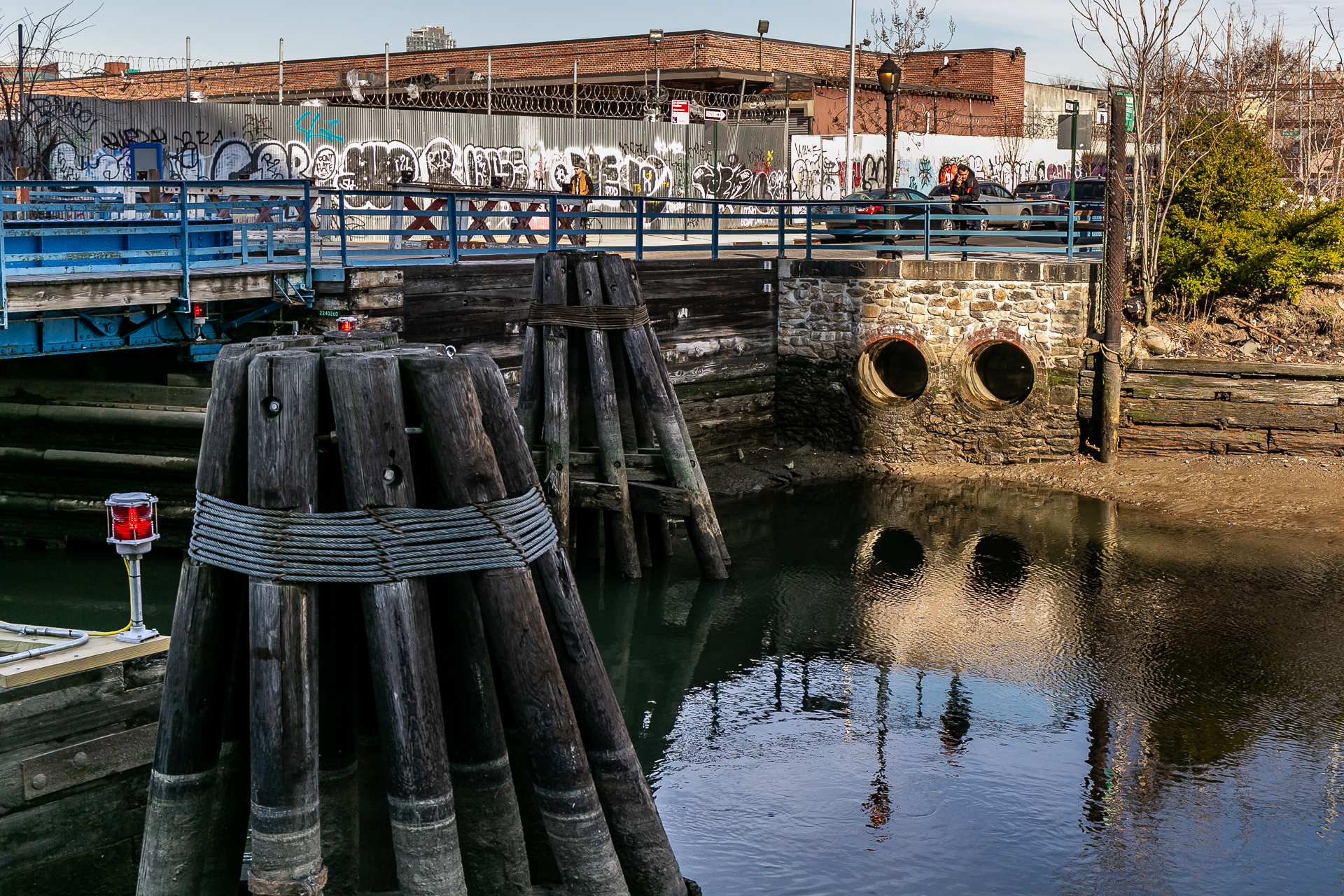

New York City can tell you when the next subway train will arrive. It can tell you where traffic is backed up, which flights are delayed, and where emergency crews are responding.
What it still cannot easily tell the public is how its sewer system performed after a major storm.
That is a remarkable blind spot for a city investing billions of dollars in sewer upgrades, flood protection, and climate resilience.
New York has experienced two significant flooding events in less than two weeks. During Saturday’s storm, I measured 2.45 inches of rain at my Brooklyn station as a volunteer observer with the Community Collaborative Rain, Hail and Snow Network, known as CoCoRaHS. The storm flooded streets and transportation infrastructure, again demonstrating how quickly intense rainfall can overwhelm parts of the city.
After the water recedes, residents are left with basic unanswered questions.
Where did the sewer system reach its limits? Which combined sewer overflows discharged? Which waterways were affected? Did recently completed infrastructure projects reduce flooding or sewage releases as promised?
These should be among the first questions the city answers after every major storm.
Instead, New Yorkers must piece together information from weather reports, emergency alerts, 311 complaints, social media posts, and separate government websites.
The question is not whether another storm will come. It is whether the city will tell the public what happened after it does.
A recent court ruling makes that accountability gap even harder to defend.
On June 3, the Appellate Division, Second Department, upheld a ruling that the New York City Department of Environmental Protection had failed to provide legally adequate public notice of sewage discharges under the state’s Sewage Pollution Right to Know Act.
The court found that DEP’s past failure to notify the public about discharges on a waterbody-by-waterbody or individual combined-sewer-overflow basis violated the law. It also determined that the agency’s current water-quality advisories do not comply with the act.
The case, brought by Riverkeeper and other environmental organizations, challenged DEP’s notification practices for combined sewer overflow events. The ruling affirmed that broad water-quality advisories are not an adequate substitute for timely information about specific discharges and affected waterways.
The decision is about more than whether DEP sends the correct alert. It exposes a broader problem: New Yorkers cannot easily evaluate how one of the city’s most important public systems performs during a major storm.
That matters because taxpayers are funding billions of dollars in storage facilities, sewer upgrades, bluebelts, rain gardens, and other green and conventional infrastructure. These projects are routinely announced with projections about how much stormwater they will capture or how much sewage they will prevent from entering local waterways.
But after a major storm, the public rarely receives a clear comparison between those promises and actual results.
Did an investment reduce flooding? Did it reduce sewage discharges? Did it perform as the city said it would?
Infrastructure should be judged by outcomes, not announcements.
The city should treat the court ruling as the minimum level of disclosure required—not the full measure of accountability residents need.
DEP should create a public, citywide storm-performance dashboard. After every significant rainfall event, New Yorkers should be able to see rainfall totals and intensity, reported street and basement flooding, estimated combined sewer overflow activity, affected waterways, and active public health advisories in one place.
For every reportable discharge, the city should provide its location, estimated start time, duration, treatment status, and volume, to the extent those details can be established through monitoring and modeling. When information is estimated rather than directly measured, the city should clearly say so.
Much of the information needed for such a system is already collected. Rain gauges and community weather observers measure precipitation. FloodNet sensors record street flooding at selected locations. DEP uses models to estimate overflow activity. Residents report flooding through 311. Emergency agencies track road closures, and the Metropolitan Transportation Authority documents service disruptions.
New York has no shortage of data. It has a shortage of accessible, coordinated public reporting.
A general warning to avoid contact with a large waterway is not the same as knowing where a sewage discharge occurred, when it began, how long it lasted, or how much pollution may have entered the water.
It is the equivalent of announcing that there is a subway delay somewhere in New York without identifying the line, station, or expected duration.
This accountability gap is also an environmental justice issue.
Some New Yorkers experience severe rainfall mainly as a delayed commute. Others experience flooded apartments, sewage backups, damaged belongings, lost income, and recurring anxiety whenever another storm is forecast.
Residents with the least money, time, and technical expertise should not have to navigate multiple agency websites to learn whether sewage entered a nearby waterway or whether their neighborhood’s infrastructure repeatedly failed.
Transparency will not enlarge sewer pipes or prevent every flood. But it will allow communities to identify recurring problems, evaluate government claims, and advocate for infrastructure funding based on documented need rather than political visibility.
Along with a public dashboard, DEP should issue a plain-language report after every storm that exceeds a defined rainfall or flooding threshold. It should explain how much rain fell, where flooding was reported, which waterways received sewage, what remains uncertain, and whether major infrastructure projects operated as expected.
The underlying data should remain available for independent review. The City Council and state environmental regulators should ensure that the reporting is timely, consistent, and understandable.
The June court ruling gives New York a choice. The city can make the narrowest possible changes to its sewage-notification practices. Or it can recognize that repeated flooding, billions of dollars in infrastructure spending, and growing climate risks require a new standard of public accountability.
The floodwaters will recede. The questions should not.
A city that can tell us when the next train will arrive should also be able to tell us how its sewer system performed after a major storm.
New Yorkers should not have to guess.
Mark Yarish, PhD, is a Brooklyn-based sustainability researcher and educator, an adjunct instructor at New York University and LaGuardia Community College, and a volunteer weather observer with the Community Collaborative Rain, Hail and Snow Network. He serves on the Gowanus Canal Community Advisory Group and the Gowanus Oversight Task Force. The views expressed are his own.