


Share This Article
“The illegal market violates the crux of our legalization system’s purpose: restorative justice,” the authors write. “If a business is found to be selling marijuana without proper licensing, this bill makes it so that they are held accountable.”
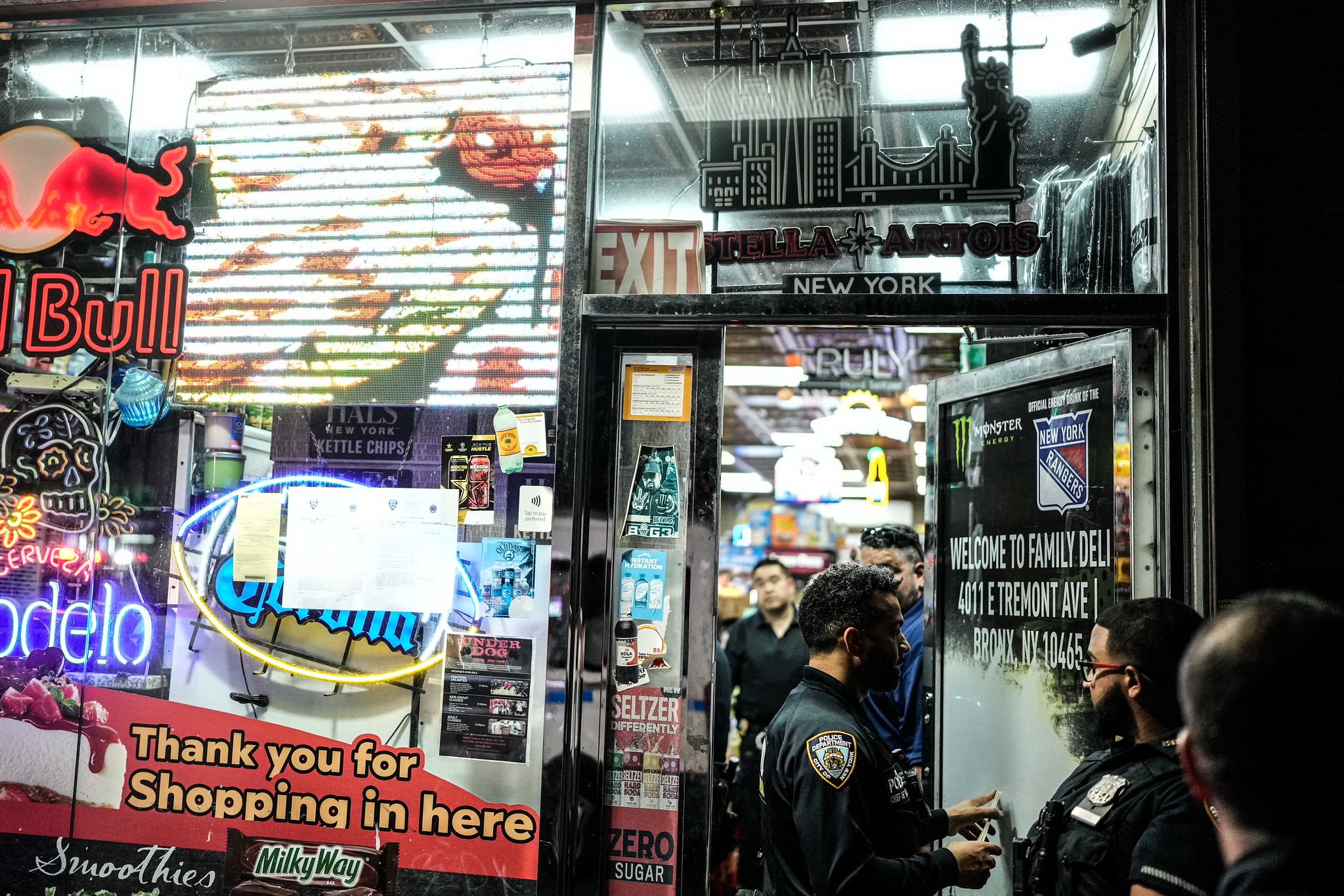

Five years ago, as a state assemblymember, I co-sponsored, advocated and voted for the Marijuana Regulation and Taxation Act (MRTA) to legalize adult-use cannabis and increase public safety by shrinking the illegal market, while creating pathways for New Yorkers harmed by over-policing and unequal enforcement to launch businesses in this emerging industry.
The New York State Cannabis Control Board reported in 2025 that authorities seized nearly 4,000 pounds of unlicensed cannabis products totaling over $20.3 million. Since September 2025, there have been 4,111 311 complaints against illegal cannabis retailers citywide. As of August 2023, the New York City Council estimated there were 8,000 unlicensed smoke shops across New York City. And since May 2024, over 1,631 unlicensed smoke shops across the five boroughs have been ordered to shut down.
The illegal market poses a public health and safety threat to New Yorkers, as well as economic damage. Without effective government oversight, consumers encounter cannabis products with higher levels of contaminants, inaccurate potency levels, or dangerous synthetic chemicals.
When legal establishments must thoroughly verify their product, and pay taxes and comply with strict state regulations, it is unfair to allow these compliant businesses to compete against others who violate the law.
But the issue does not stop there. The illegal market violates the crux of our legalization system’s purpose: restorative justice. Upon legalizing marijuana statewide, the MRTA established and began implementation of the Social and Economic Equity (SEE) program, ensuring that New York builds an equitable market that will incentivize “participation in this new industry for individuals disproportionally impacted by cannabis prohibition.”
The SEE Plan ensures that historically marginalized populations are first in line for licensing and given resources like reduced fees and business support programs. This plan demands that 40 percent of all cannabis tax revenue is allocated toward rebuilding communities hurt by the War on Drugs.
This is where Intro. 813 comes in. This bill allows the Department of Consumer and Worker Protection to refuse to renew, revoke, or suspend the smoke shop licenses of shops that are overtly selling marijuana. Illegal cannabis products are most frequently sold at storefront smoke shops already licensed to sell tobacco products, and using that license as a cover for unlicensed marijuana sales. If a business is found to be selling marijuana without proper licensing, this bill makes it so that they are held accountable.
Illegal smoke shops threaten the mission that New York intended to create: a future where we have safe and regulated smoke shops that create good jobs and reinvest in our communities.
Harvey Epstein is a member of the NYC Council representing Greenwich
Village, the Lower East Side, the East Village, Midtown South-Flatiron-Union Square, Gramercy, and Murray Hill-Kips Bay. Mar Fitzgerald is the chair of the Cannabis Licensing Committee for Manhattan Community Board 2.
1 Comment