


Share This Article
“The State Environmental Quality Review Act, or SEQRA, was created in 1975 to ensure that growth did not come at the expense of our environment. That mission remains essential. But today, the way the law operates often works against the very outcomes we are trying to achieve.”
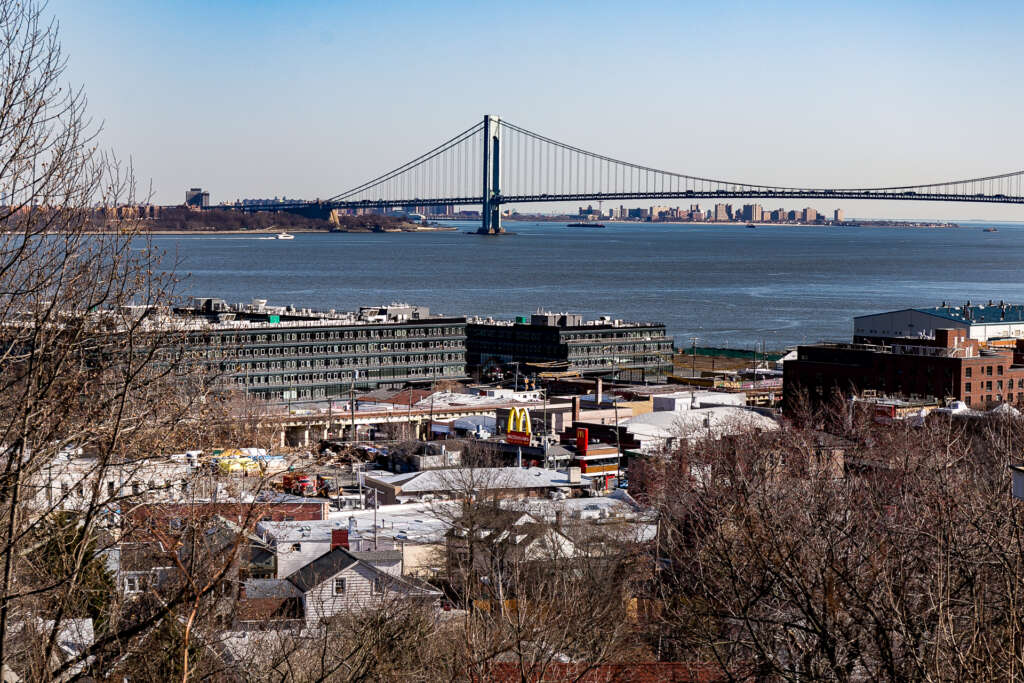

We are all shaped by the experiences that define where we come from. As I step into my role as director of the Department of City Planning, I carry those experiences with me every day.
I grew up on Staten Island, in a neighborhood where accessing opportunity often meant leaving my community. That taught me early that where we live shapes everything—access to education, jobs, health care, and mobility.
That lesson is why I’ve always understood that planning and housing policy carry immense responsibility, because the real-world impacts are so consequential. Zoning rules can reinforce or undo entrenched patterns of segregation. Affordability requirements can determine who does and doesn’t get to live in a neighborhood. And our review processes can determine whether homes get built at all.
One of those processes—the State Environmental Quality Review Act, or SEQRA—was created in 1975 to ensure that growth did not come at the expense of our environment. That mission remains essential. But today, the way the law operates often works against the very outcomes we are trying to achieve.
In practice, SEQRA requires any housing development requiring a zoning change to spend an average of two years in review, including modest buildings with income-restricted affordable homes. This process adds an estimated cost of $82,000 per apartment, which amounts to more than $8 million for a 100-unit building. Meanwhile, this intensive review rarely uncovers environmental impacts.
These delays and added costs don’t simply affect project timelines or balance sheets: they directly impact New Yorkers’ lives. When an affordable apartment is delayed, it means a family spends another year doubled up with relatives, another year commuting long distances, another year without a stable home. When a housing project becomes more expensive to build, it means tenants pay more in rent. And this doesn’t even account for housing projects that never materialize to begin with because the risk of costly and prolonged review is simply too high.
That is why Gov. Kathy Hochul’s proposal to exempt modest housing developments from SEQRA is so important. This targeted reform will unlock housing projects that help meet New Yorkers’ needs without causing environmental harm—while maintaining rigorous review for larger developments where impacts could occur.
Indeed, recent City Planning analysis shows that less than 1 percent of housing developments that meet the proposed criteria have any environmental impacts. On top of that, encouraging housing in dense, walkable cities—as opposed to car-centric suburbs—is one of our best long-term strategies to reduce carbon emissions and advance climate goals.
Crucially, SEQRA reform would also allow New York City to speed its own housing processes—a key priority day one for Mayor Zohran Mamdani. Today, it takes City Planning roughly two years to prepare a housing proposal for public review. If the proposed reforms are enacted, we can shorten that timeline for qualifying projects down to just six months. Combine that with recent reforms that New York City voters approved to speed public review for affordable housing, and we are at the cusp of a huge step forward for delivering homes to New Yorkers at speed and scale.
Ultimately, modernizing SEQRA is not simply about streamlining rules, it’s about taking responsibility for how our policy choices shape people’s lives, assessing the public benefit, and choosing a better path forward. We can protect our environment while also building the homes that New Yorkers need during a historic housing crisis. Modernizing SEQRA is a big step toward doing both—and toward building a New York that is more affordable, inclusive, and just.
Sideya Sherman is director of the Department of City Planning.